


The day Europe runs out of fish
The 9th of July is European Fish Dependence Day, the point in the year at which the EU has used up all its own seafood resources and must rely entirely on imports for the rest of the year to meet demand, according to the Environmental Justice Foundation.
More than half of the yearly demand comes from outside the EU, and developing countries account for about half of the imports.
Austria is the first country to run out of fish, only reaching 17th January before exhausting its own supply. The UK, as a seafaring nation, would reach 7th September, still leaving around four months relying entirely on imports.
Fish Dependence Day is about one month earlier now compared with the year 2000. Thirty years ago, Europe could meet demand with fish from domestic waters until September or October.
According to EJF, although some European fish stocks have stabilised, too many stocks are still overfished, and EU self-sufficiency is still too low.
“Overfishing and illegal fishing are destroying marine ecosystems and eroding food security around the world,” said Environmental Justice Foundation’s Executive Director Steve Trent.
“Transparency measures, such as those laid out by EJF’s Charter for Transparency, would allow businesses and consumers to secure legal, sustainable and ethical seafood, eradicating most illegal fishing, and the human rights abuses that often accompany it. In Europe we depend heavily on fish imports, especially from developing countries. The EU therefore has a lead role to play in promoting transparency and sustainability worldwide.”
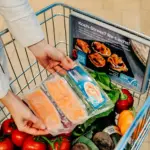
On average, each European citizen consumes 22.7kg of seafood products each year. Portugal (55.3kg), Spain (46.2kg), Lithuania (44.7kg), France (34.4kg), and Sweden (33.2kg) have the highest consumption rates in the EU. Together, these five countries account for about one third of EU fish consumption.
Only four countries, Croatia, Netherlands, Ireland and Estonia, produce as much or more than they consume.
Related Articles
 FISHERIES
 FISHERIES
 WORLD FISHING EVENTS