




The age of robotics is coming
Probably the biggest change to happen in the seafood processing industry is that many more tasks in the future will be automated.
In November last year, Bank of America Merrill Lynch warned that 45% of all manufacturing tasks would be automated within a decade, up from 10% today.
Andy Haldane, the Bank of England’s chief economist, has said that 15 million UK jobs could become automated within a couple of decades. Also computers are demonstrating their ability to perform complex tasks, so it is not just the repetitive jobs which are at risk.
The International Federation of Robotics says the number of robots in factories across the world rose by 225,000 in 2014, and will rise even further in the coming years – and it is not just in manufacturing.
The Henn-na hotel, which opened in Nagasaki, Japan, in the summer of 2014, is the world’s first to be staffed by humanoid robots.
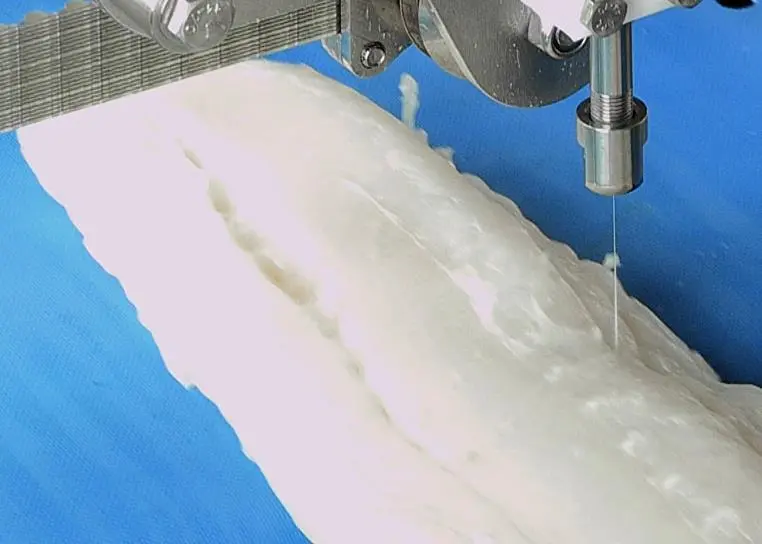
Although it is hard to imagine that humanoid robots will be appearing in seafood processing plants any time soon, robots are already taking over repetitive tasks. Fish portions are being packed into cartons by robots, and some years ago in a then new herring processing factory in Germany, forklift trucks were picking up tubs of marinades and running along pre-determined pathways without drivers.
Takeover
Although it is mostly purely repetitive tasks which are being performed by robots so far, the pace of the ‘takeover’ is quickening. A media report towards the end of last year described how robots were packing 1,000 cakes per minute in a food factory in the north of England.
Humans were only needed to feed the machine and clean up, supply new packaging, clear away excess plastic wrap and remove any less than perfect cakes, the reporter said. Apparently each robotic ‘arm’ decided which slice to take, the tray to put it in and where to move next, all done extremely quickly.
And the robots were exercising some elementary quality control. Robotic ‘eyes’ sensed the position of the cake to be selected and any imperfections before deciding whether to pack it for consumption.
However, despite the cake manufacturer’s £20 million investment in this technology, the new robots couldn’t perform some simple tasks such as putting a cherry on top of a bakewell tart; that still had to be done by hand.
The company’s, head of sustainability, said: “We’ve never been able to automate everything, because at the end of the day it’s people who make decisions and it’s people who make judgment calls. There may be machines that can do that, but if it costs £10 million to install just to put a cherry on top of a bakewell tart, it’s not going to be worth it.”
At least it may not be considered worthwhile just yet. Although the costs of buying robots can be considerable, a processor doesn’t need so many workers so the overall salary cost will drop and eventually this may well recoup the original financial outlay.
Also there are considerable benefits of using robots in processing plants. They don’t get tired and lose concentration, they don’t get ill or need rest breaks and holidays are out of the question.
Related Articles
 FISHERIES
 FISHERIES
 WORLD FISHING EVENTS