






Tackling shrimp disease with genomics
New research on markers for genes that determine how well shrimp resists white spot syndrome could significantly reduce problems caused by the disease in the aquaculture industry.
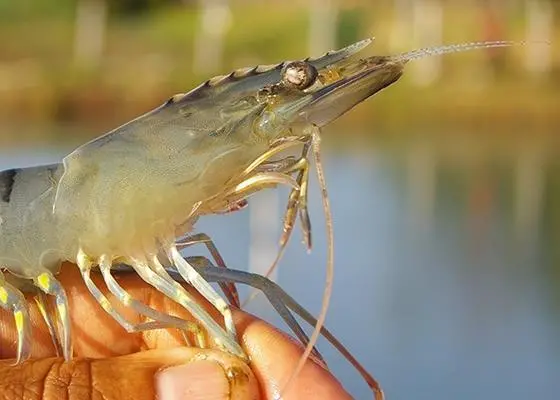
The virus that causes white spot disease (WSSV), which is one of the most serious diseases of farmed shrimp and for which there is currently no cure, is capable of killing all the shrimp in a pond within 10 days of infection. On occasions, the disease can even completely devastate shrimp aquaculture in a complete region.
In a bid to find a solution to the widespread problem, Indian and Norwegian scientists have been looking at shrimp gene markers, which are locations in the genome, that code for the level of immunity the shrimps have against the virus. Markers for genes have been found for black tiger shrimp, and scientists are now looking for genes in the white shrimp.
“Now that these markers have been found in the tiger shrimp, it will be possible to select for higher immunity to the disease in the next generation by implementing what is known as ‘marker-assisted selection’ into an advanced breeding programme,” said Nicholas Robinson, senior scientists at Nofima, which carried out the research. “Since the generation time of the shrimp is short, we can expect a clear effect within a few years.”
The DNA sequence in the genes of various shrimp was analysed and variation in the DNA sequence of almost 4,000 genes was compared within large groups that had been exposed to the disease. The scientists were looking for correlations between the duration of survival of the shrimp after being infected and the genetic code in their genes.
This is said to be the first extensive experiment in which gene markers related to disease have been found in shrimp. In addition to finding markers for disease resistance in the black tiger shrimp, markers for genes that determine sex were also found. The scientists say this could help hatcheries to produce exclusively female shrimp for distribution, and since male shrimp are small and grow slowly, the discovery of sex-determining markets can enable aquaculture personnel to produce healthier shrimp that grow quicker.
“We are now in the process of starting a project for the white shrimp with the same goals – to discover genetic tools that can reduce a disease that is widespread in shrimp aquaculture,” added Mr Robinson.
The research was carried out by Nofima and the Indian Central Institute of Brackishwater Aquaculture (CIBA), and financed by the Research Council of Norway and the Indian Department of Biotechnology.
Related Articles
 FISHERIES
 FISHERIES
 WORLD FISHING EVENTS