





Sydney Rock Oysters shrinking
Sydney Rock Oysters are getting smaller due to coastal acidification, a new report has found.
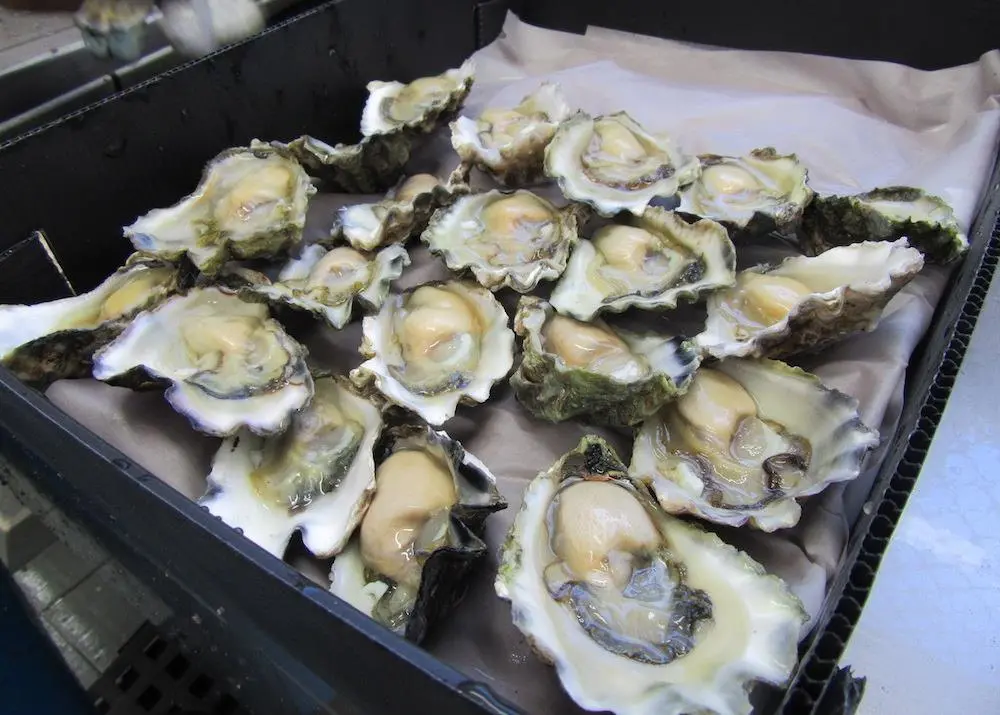
A Natural Environment Research Council (NERC) study carried out by Scottish and Australian scientists at two commercial oyster farms in Wallis Lake and Post Stephens, both in the mid-north coast of New South Wales, confirmed that the diminishing size and falling population of the oysters, found in the waters of Australia and New Zealand, is due to acidification from land and sea sources.
“Sydney Rock Oysters are becoming smaller and their population is decreasing as a result of coastal acidification,” said Dr Susan Fitzer, a NERC Independent Research Fellow at the University of Stirling in Scotland, who reported her findings in the journal Ecology and Environment.
Weaker shells
Ocean acidification has been reported globally, while coastal acidification from the land, as freshwater runoff from acid sulfate soils, is driven by rising sea levels and flooding also decreases environmental pH.
While the research project focused on Australian aquaculture, Fitzer has previously linked rising acidification to weaker shells in mussels in Loch Fyne, Scotland, and sees global ramifications for the study.
She explained that though there has been a significant decline in sulphate soils and acidification following mitigation efforts near Australia’s oyster fisheries “the trend persists” with small changes in pH and a lack of carbonate in the water damaging oysters’ ability to grow their shells.
She warned that if ocean acidification and coastal acidification are exacerbated by future climate change and sea level rise, there could be a “huge impact on commercial aquaculture around the world.”
Related Articles
 FISHERIES
 FISHERIES
 WORLD FISHING EVENTS