





Sustainable farming releases “significant” GHG emissions
A fishing farming method, often praised as being environmentally-friendly and used in southern China, actually releases “significant” greenhouse gas (GHG) emissions, according to an Oxford University study.
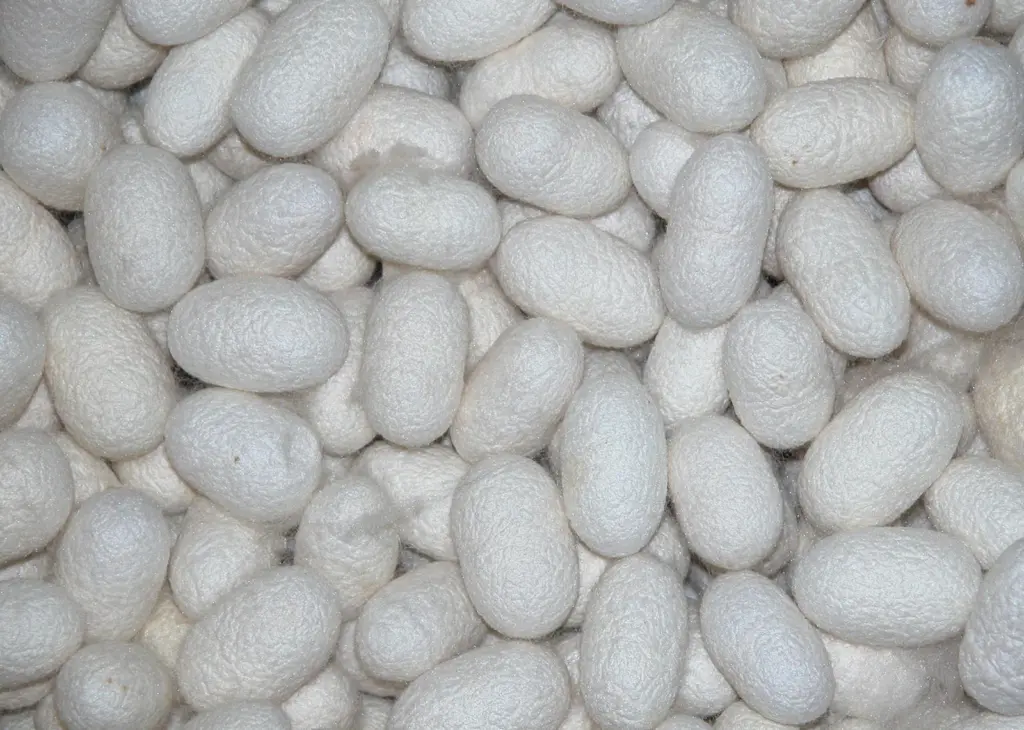
Integrated fish farming is common in aquaculture and this particular system from Asia combining silk production and aquaculture has been regarded as a prime example of multi-functional agriculture with a ‘closed-loop’ recycling process.
“Until now this method of small-scale farming has been held up as a shining example of environmentally-friendly farming. But our results suggest it may make an appreciable and previously underestimated contribution to anthropogenic greenhouse gas emissions,” said Professor Fritz Vollrath of the Oxford Silk Group, who carried out the study.
Organic residues from silk production are added to ponds to encourage the growth of phytoplankton, feeding fish. Waste accumulated in the pond sediments is removed and used to fertilise mulberry, which is in turn fed to silkworms.
“We have found that the formation of methane in pond sediments can be a significant source of emissions blamed for global warming,” he added.
“The effect is significant because carp are the most heavily farmed fish in the world, and commonly raised in fertilised ponds,” he concluded.
The results of the study are to be published in the International Journal of Life Cycle Assessment.
Related Articles
 FISHERIES
 FISHERIES
 WORLD FISHING EVENTS