




Sustainable catch doubled since 2010
The Marine Stewardship Council (MSC) has published a new report which shows how effective management and improvements made by MSC certified fisheries are delivering measurable, positive impacts in the oceans.
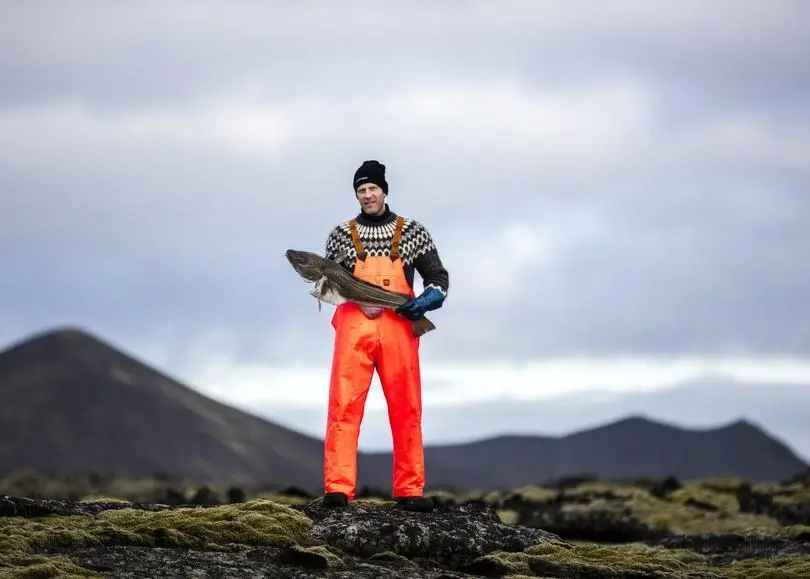
Since 2010, the volume of global wild seafood catch that is MSC certified has almost doubled from 5% (4,541,358 tonnes) to 9.4% (8,821,221 tonnes) in 2015. Across 33 countries, 281 fisheries are now MSC certified.
The 2016 Global Impacts Report provides a quantitative analysis of the progress made by MSC certified fisheries since the MSC program began and highlights the significant improvements made over the last five years.
“The MSC was established nearly 20 years ago to address the problem of unsustainable fishing and safeguard seafood supplies for the future. Our latest report showcases the results of the hard work, innovation and investment made by fisheries to achieve and maintain certification, and the positive change on the water the MSC program helps catalyse globally,” said Rupert Howes, MSC’s chief executive.
MSC data show that over the course of their certification, 94% of certified fisheries are required to make at least one improvement to strengthen or further monitor the sustainability of their operations in order to maintain their certificate. By end of 2015, 281 fisheries had made 876 improvements, with many more being developed.
The report also points to advances in technology, research and management that are enabling smarter and more selective fishing.
The report reveals that the biomass of European fish stocks that went on to become MSC certified increased more than that of uncertified stocks. In contrast, uncertified stocks in Europe show much greater variability in terms of biomass and fishing pressure, with the average fishing effort remaining too high to ensure productive fish stocks.
MSC certified fisheries are supported by a growing demand for sustainable seafood and for fish carrying the MSC ecolabel, and by the fast-growing number of businesses in the seafood supply chain who are certified to buy and sell MSC fish. The number of MSC Chain of Custody holders has tripled over the last five years, from 1,099 in 2010 to almost 3,000 in 2015, and these are present in 78 countries around the world.
Related Articles
 FISHERIES
 FISHERIES
 WORLD FISHING EVENTS