


Canada’s Minister for Fisheries, Oceans and the Canadian Coast Guard, Joyce Murray, has highlighted that during the past two years, the Ghost Gear Program has helped remove approximately 739 tonnes of abandoned, lost or discarded fishing gear from Canada’s Atlantic and Pacific coasts.
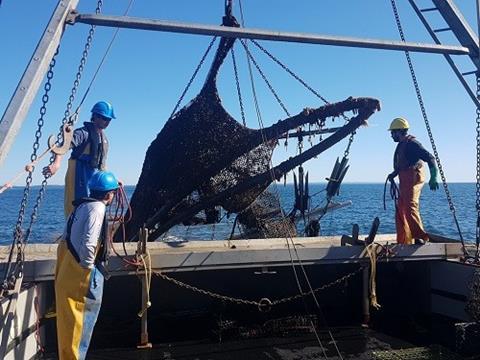
The Ghost Gear Program was launched in 2019, and included the $8.3 million Ghost Gear Fund. Budget 2021 announced an additional $10 million in funding for the program for 2021-2022. Since the launch of the program, partners who received funding through the Ghost Gear Fund have been able to recover approximately 5828 units of lost gear.
Most of the gear retrieved – approximately 84% – consists of traps or pots that are commonly used in lobster and crab fisheries, and the remaining 16% was a combination of nets and longlines from various fisheries. Derelict gear from non-operational aquaculture sites was also retrieved from the Pacific and Atlantic coasts.
“Canada has become a leader in the global effort to eliminate and prevent ghost gear in our oceans. Through our Ghost Gear Program, we’re working with many organisations, communities and harvesters who want to be a part of the solution to protect and regenerate our marine ecosystems by removing this harmful waste,´said Minister Joyce Murray.
“I am so inspired by the tremendous results of the program so far, and I look forward to more progress as we work together to tackle ghost gear in Canada and abroad.”
In 2021, the Ghost Gear Fund supported 37 projects, many of which focus on increasing Canada’s recycling capacity for end-of-life fishing gear, and identifying and removing ghost gear from the Gulf of St. Lawrence, and the Fraser River in British Columbia.
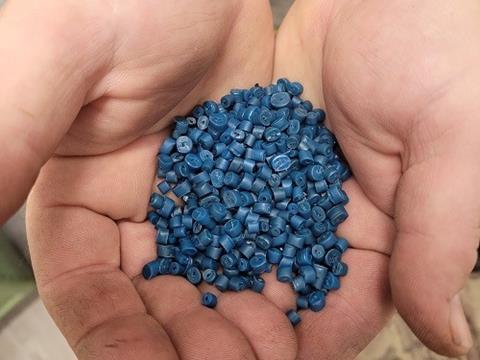
Among many notable projects, the Fund supported the operation of a recycling depot in British Columbia that is turning ghost gear into pelletised plastic to be used in secondary products, including kayaks. Of the projects funded in 2021, 14 are being undertaken in collaboration with Indigenous communities and five of these are led by Indigenous organisations.
Fisheries and Oceans Canada is in the process of identifying areas for future ghost gear removal and recycling activities in Canada’s northern communities.
The Department is also analysing data from the new Fishing Gear Reporting System, which was launched in June 2021, to better understand the extent of gear loss in Canada.
Since its launch in 2020, the Ghost Gear Program has supported the creation of more than 300 jobs that contribute to Canada’s blue economy and has returned 216 units of lost gear back to harvesters.