


Nanoparticles found in sunscreen have a harmful effect on ocean ecosystems and can impact the growth of certain species, according to a new study carried out by Friends of the Earth.
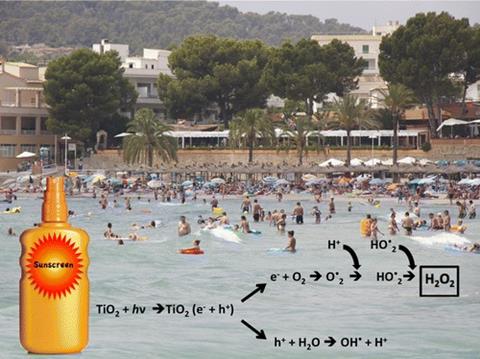
The study, published in the American Chemical Society’s Journal of Environmental Science and Technology, found that when nanoparticles of titanium dioxide and zinc oxide react with UV light in water, they create hydrogen peroxide, which can stunt the growth of phytoplankton – a critical species of small algae at the base of marine food chains, sustaining animals ranging from small fish, which feed dolphins and other sea life, to whales.
“A large percentage of sunscreens available to consumers contain nanoparticles, which means these ingredients are washed into oceans when we swim or shower,” said Ian Illuminato, health and environment campaigner, Friends of the Earth.
The study indicates these tiny particles of titanium dioxide are a major oxidizing agent entering our coastal waters, which can result in dramatic increases in hydrogen peroxide levels that damage phytoplankton crucial to marine ecosystems.
“Wearing sunscreen and protecting our skin from harmful UV rays is very important, but nano ingredients in these products may be doing more harm than good to our environment and our health,” added Mr Illuminato.
“Despite a growing body of science calling their safety into question, our government has made little progress in protecting the public, workers and the environment from the risks posed by nanoparticles. We urgently need FDA and EPA to step up and properly regulate and label these tiny and potentially harmful ingredients,” he concluded.