




A study investigating the progress of delivering effective fishing industry-science data collection has concluded that if fishermen are supported in the right way, then current data shortages could be overcome.
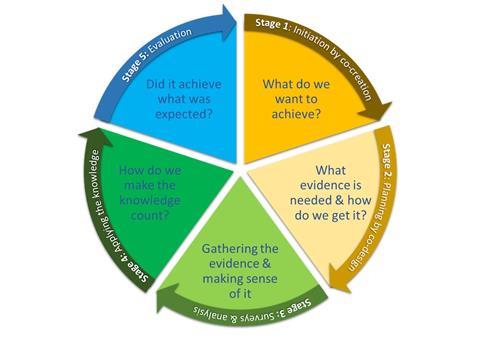
The study was undertaken to address the increasing need for a strategic approach to industry-science data collections in the face of reducing resources and growing need for evidence in fisheries management. It evaluated progress in the development of plans and procedures that can be employed to collect, record and use fishing industry knowledge and data in the evidence base for managing fisheries.
Dr Stephen Mangi, senior scientist at Cefas and lead author of ‘Guidelines for Industry-Science Data Collection’, produced for Seafish and published in the Fish and Fisheries journal, said: “This study adds to the growing efforts in the mainstreaming of fishing industry generated data for use in science evidence to support decision-making. Delivering industry-science data collection programmes that can generate scientifically robust evidence, requires scientists to provide tools and training, and empowering fishermen to collect relevant data.
“This study is rigorous and includes a review of industry-led data initiatives already undertaken or ongoing within the UK; canvasses stakeholder opinion on data gaps and whether these could be filled by industry data collection initiatives; establishes what issues might prevent or stimulate industry in collecting data when they have the opportunity; and describes guidance on a step-by-step process for gathering scientific information.”