



The global squid sector has made notable progress towards sustainability goals in the past year, but much work remains to be done, a new report has found.
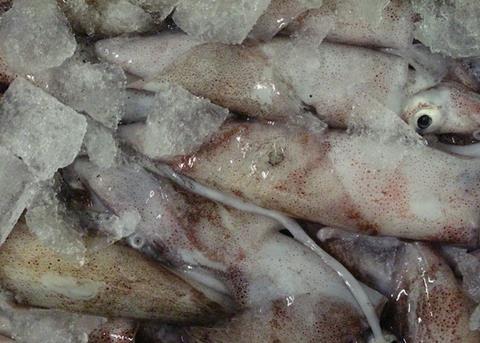
According to the latest Target 75 sector report from Sustainable Fisheries Partnership (SFP), 14% of global production is now recognised as sustainable or improving. Much of the improvements can be traced back to work undertaken by the Committee for the Sustainable Management of the Southern Pacific Jumbo Flying Squid (CALAMASUR), as well as initiatives including a Fishery Improvement Project (FIP) covering Japanese flying squid.
“The current FIP volume reflects a relatively small percentage of global production, but the total Japanese flying squid production across China, Japan, and Korea makes up a significant volume and is essential to the T75 goal,” said Sam Grimley, who leads the Global Squid Supply Chain Roundtable for SFP.
Valuable projects
CALAMASUR has been working on projects such as the Peruvian Jumbo Flying Squid Fishery FIP, and negotiations with the South Pacific Regional Fisheries Management Organization (RFMO) to address stock structure issues, improved data collection, and other issues. SFP also credits the development of a preliminary stock assessment model presented to the RFMO, as well as the launching of a FIP covering Japanese flying squid.
The report notes there is potential for much more of the sector to meet the T75 criteria. “There are, fortunately, a number of fisheries making incremental improvements that are not yet publicly recorded under FIPs,” the report’s authors wrote. “It is possible that existing supply chain leverage and interest may be able to influence an additional 43 percent of global production.”
Management of fishing fleets in international waters will be the key. The report recommends working with Chinese and South Korean fisheries operating in waters off the coast of South America by leveraging market demand.
The report is an update of the same sector report released last year, with updated data and conclusions