The scheme follows FAO Guidelines to promote artisanal lower impact fisheries and their products on international markets.
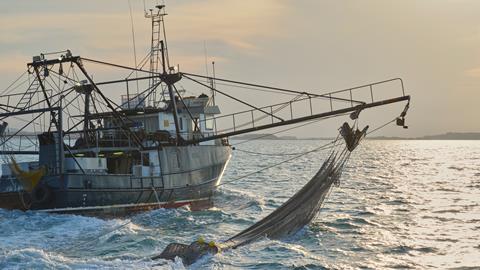
Friend of the Sea has announced the recent certification of squid products from Coop Italia, and processors Appetais and Ocean Ming Vietnam Seafood Ltd, following third party audit of their supplying fishery: the fleet of Thyen Thung small boats using hook and line to fish big squid and cuttlefish.
Thyen Thung boats operate mainly from the Phan Thiet harbour but also all along the Vietnamese coast. The latest FAO Report says that squid and cuttlefish are not overexploited in the area. Fishermen catch only mature squid and cuttlefish, with no bycatch or discard. It is a much lower impact fishery when compared to the main alternative in the area - bottom trawling, which operates with a much higher impact on the seabed, high bycatch and discard rates and catching smaller squid and cuttlefish.
The independent audit spotted some faults in traceability, which will have to be improved over the next few months. FAO recommends certification schemes to allow for smaller scale fisheries to gradually improve their traceability as the higher number of smaller boats can make reporting more difficult.
"Friend of the Sea wishes to promote these artisanal sustainable fishing methods," comments Paolo Bray of Friend of the Sea. "We hope certification will represent an added value for Vietnamese fisherman and lead other producers and retailers to give preference to lower impact artisanal fisheries".
The history of Thyen Thung dates back to approximately one hundred years ago, to when the French ruled Vietnam. They levied taxes on many things, including boats. Many poor villagers could not pay the tax imposed on their small boats so they invented a new type of boat called thuyen thung to evade taxes because the thung (round basket) was not considered as a boat. The villagers make thuyen thung from bamboo and cover it with chai (a waterproof material made from a plant). First people select quality bamboo plants and split them into thin strips before drying them in the sun. Then they skilfully bent and knit the strips into a round shape. After knitting, they coat the boat with many layers of chai to make the boat waterproof.
Locals say that the best time to learn and practice basket boat rowing is in the morning when the sea is calmest.