





Spanish concern over bigeye management measures
The Spanish tuna fishing sector has registered its concern regarding the adoption by ICCAT of a new management measure for bigeye tuna species in the Atlantic, due to the high impact that a reduction of catches of bigeye could have on other species, such as yellowfin and skipjack that are also target species, because in most fishing sets all three species are caught, including a small proportion of bigeye.
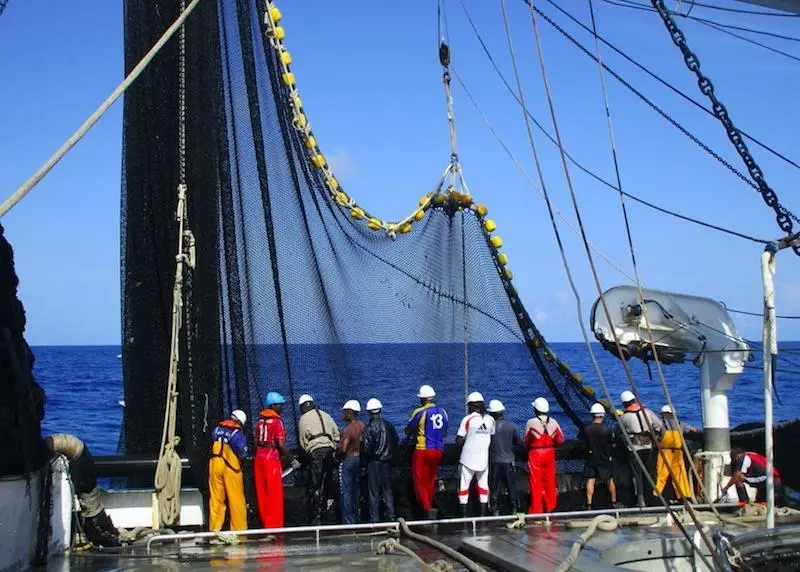
Spanish tuna industry body OPAGAC argues that as only 10% of catches are bigeye tuna, any management measures must take this fact into account, and considers that measures will fail if management mechanisms are not applied evenly.
According to the Spanish industry, as bigeye catches represent only 10%,, a 20% reduction in catches of bigeye for the purse seine (around 6000 tonnes) would mean collateral loss of some 54,000 tonnes of yellowfin and skipjack, as well as economic losses of at least €80 million, considering only the market value of these last two species, for which the purse seine is not subject to a quota.
The Spanish tuna sector, represented by OPAGAC, states that to this should be added the losses in terms of activity in the canning factories, ports of disembarkation, loss of jobs or the need to scrap a considerable number of support vessels, if the Commission also decides to limit or eliminate the activity of these vessels, which would mean the destruction of more than 500 direct jobs, most of them African crew.
“Measures of this kind would jeopardise the viability of a sector that has been working in the Atlantic Ocean since the 1960s and generating economic activity in many developing countries of the region,” OPAGAC’s spokesman stated, adding that only in the Atlantic countries in which it operates, the economic activity of the fleet translates into more than 15,000 direct and indirect jobs and large investments on the part of the processing sector.
For OPAGAC, since only 10% of tropical tunas caught by its fleet in the Atlantic are bigeye tuna, any decision on the management of this stock must recognise this fact and apply consequential measures to minimise the impact on others stocks, because the management of tropical tunas must be designed so that the three species, of which skipjack accounts for 60% of the catch, yellowfin tuna 30% and bigeye tuna 10%, are jointly and effectively managed.
Related Articles
 FISHERIES
 FISHERIES
 WORLD FISHING EVENTS