


Spain to support sustainability as a tool to design a new fisheries management model
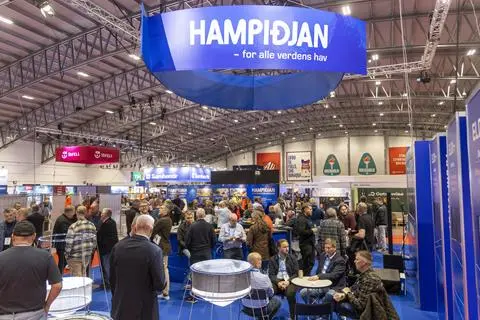
Last week the Spanish Ministry of the Environment and Rural and Marine Affairs (MARM) informed the Council of Ministers about its involvement in the World Fishing Exhibition, which will take place in Vigo from 16-19 November.
The sixth WFE will be an opportunity to promote the latest technology and boost the Spanish influence in the fisheries field, at the same time consolidating Vigo as the hub of the international fisheries industry.
The Fifth Fisheries Ministers Conference and the First World Summit on Fisheries Sustainability will be held in parallel to the exhibition. These events will analyse sustainability of fisheries within the scope of fisheries management policies and will be supported by the main fisheries organisations, FAO, the European Commission, NGOs and the scientific community. In this context, MARM will defend sustainability as the mainstay to design the new fisheries management model for the following years.
According to the Ministry, headed by Elena Espinosa, the fight against illegal, unreported and unregulated fishing (IUU) and overexploitation must lead the fisheries policy into guaranteeing resource sustainability, responsible consumption of fishing products and socio-economic viability of businesses in the fisheries sector.
Both during the Conference of Ministers and the Summit on Sustainability, MARM will transmit the need of new political initiatives in the international field to incorporate into the fisheries management the ecosystem approach, the control of IUU fishing, sustainability and social responsibility, good governance and the recovery of marine and fisheries resources.
On the other hand, coinciding with this international meeting point for the fishing industry, the training ship for fishing cooperation of the Spanish Ministry of the Environment and Rural and Marine Affairs will start working, as the Secretary General of the Sea, Juan Martín, had already confirmed during the launching of the vessel. ‘Intermares’ will become the first floating classroom that the Spanish Government will use to train future workers of the fisheries sector in third countries. It is a completely new tool that represents a qualitative and revolutionary leap in the context of worldwide fisheries cooperation.
Related Articles
 ICELANDIC FISHERIES EXHIBITION
 FISHERIES
 FISHERIES