




SoS – Save our shark, plaice, sole and cod
The high-profile media reportage on the capture of sharks for their lucrative fins and the dumping of their carcasses overboard, has caused a row within the European Parliament (EP) Fisheries Committee, reports Peter O’Neill.
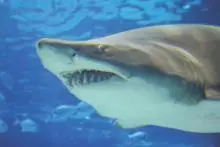
The British contingent wanted to vote for the introduction of a higher limit on the ratio of the fin to the body weight, so that fewer shark carcasses would be tossed overboard in the service of the high-value restaurant market. Well informed sources said the British MEPs, supporting a proposed ratio, being lobbied for by environmental pressure groups, of two per cent fin to bodyweight, found themselves voted down. The sources suggested one reason was that the majority of other MEPs represent directly affected fishing constituencies. However, the full Parliament then voted overwhelmingly at its October session against a proposed increase by the Fisheries Committee of 6.5 per cent and decided to maintain a freeze on the current five per cent while the EU Commission (EC) carried out a comprehensive review of scientific studies about fin to carcass ratios.
US-based pressure group Oceana says the EU is playing “a numbers game”. It says the present rules mean a vessel is allowed to catch sharks and remove the fin (for ease of storage and processing) only if it then uses all parts of the body.
TACs
The other focus was forthcoming talks by EU ministers to set 2007 catch levels and area controls. One Dutch MEP, in a report for the EP, proposed there should be three-yearly total allowable catches (TACs), rather than annual limits. The EP said it wants a clearly defined precautionary level set at 230,00 tonnes for plaice and 35,000t for sole. The report also said beam trawl fishing was damaging these two stocks and asked the EC to come up with an action plan to reduce their discards.
Commissioner Joe Borg, told the EP Fisheries Committee that the end-October Council meeting of fisheries ministers would be the start of a new approach to setting levels, with ‘frontloading’ a priority. He hoped it could, for example, agree Baltic 2007 levels which could then be passed at the December Council.
He said the overall approach for all stocks is “gradual” change based on Maximum Sustainable Yield (MSY) and that scientific advice and conservation should be balanced against the impact on fishermen’s livelihoods. The EC wants long term plans and consultation each Spring to avoid the traditional end-of-year rush of all-nighter fish-trading talks by the ministers each December.
On the Baltic TAC, he said most stocks were “stable and in good condition” and overall catch opportunities would be increased. But the EC was worried about Eastern Baltic cod being outside safe biological limits and the Western cod just above the threshold. He also said fishermen were under-reporting in the Baltic, particularly in the Eastern Baltic and this was “severely undermining the recovery”. The state of wild salmon in the Main Basin and Gulf of Bothnia was also a worry. An overall increase is proposed for herring and sprat, with no change on plaice, he told the Committee. Generally, what he hoped to do, was limit variations of the TACs to 15%.
Because he expects Russia soon to sign a bilateral agreement on shared stocks in the Baltic, he said a Russian quota has been taken into account based on historical allocations. Talks with Norway will start on 6 November on detailed management for North Sea cod, haddock, plaice, whiting, herring, mackerel and Northern shelf saithe, including the establishment of the TACs and quotas for the respective Parties. He said he wants a long-term plan for plaice.
For deep-sea stocks, he said scientists had warned shark, black scabbardfish, tusk and forkbeard (slow to grow and late to reproduce) were being fished unsustainably. This produced a “high risk of collapse of deep sea ecosystems” so the EC will propose significant reductions in TACs for the most threatened stocks, he said. Where scientists have called for immediate closure of an area the EC is proposing annual reductions of 33% in 2007 and a further 33% in 2008.
Fighting between countries over the plan for the Med is still giving the Commission headaches. The Med has fallen off the October Council agenda and may not make November’s. The commissioner said he will not accept a compromise solution which “would undermine all significant conservation elements of our original proposal and render the new management framework void of substance”. He then fired a warning shot over Mediterranean waters saying: “…our international obligations cannot remain unfulfilled and derogations to such obligations that have hitherto been granted to our Member States cannot go on any longer”.
Related Articles
 FISHERIES
 FISHERIES
 WORLD FISHING EVENTS