






SOFIA 2012 published
The FAO has published its 2012 edition of The State of World Fisheries and Aquaculture, highlighting the vital role of fisheries and aquaculture.
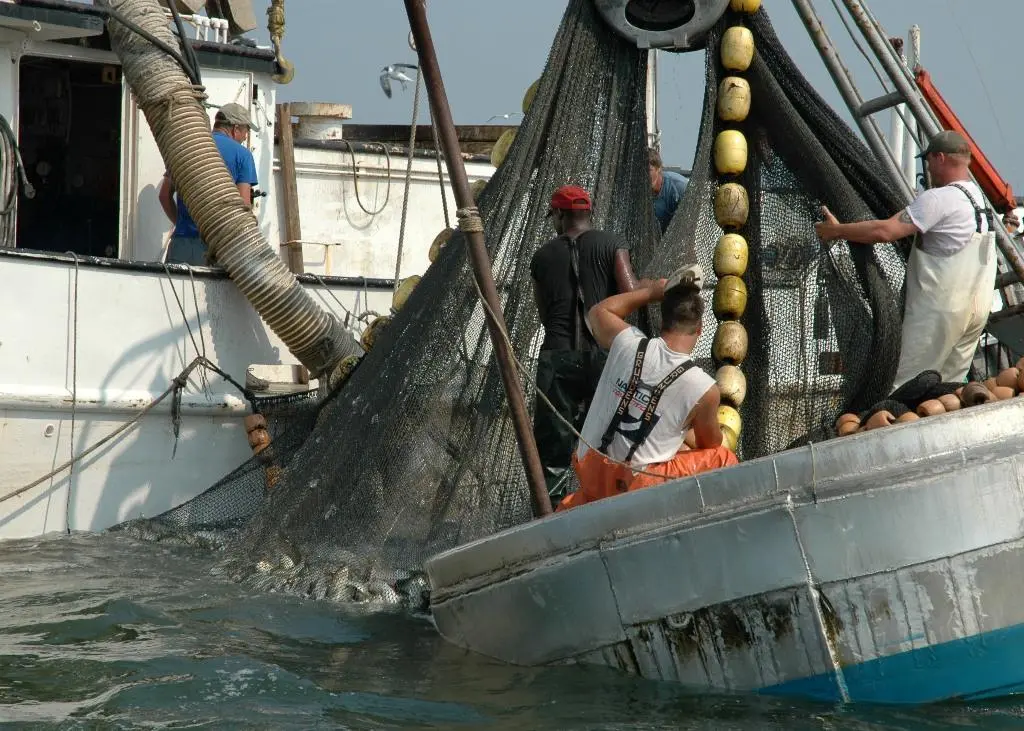
The sector remains a major supplier of high-quality animal protein and supports the livelihoods and well-being of more than 10% of the world’s population.
International trade in fish has reached new peaks as overall production has continued to rise. Yet, as the document underlines, an array of problems – ranging from the need for more effective governance to that of ensuring environmental sustainability – threatens to undermine the sector’s valuable contribution to alleviating hunger and reducing poverty.
Using the latest available statistics on fisheries and aquaculture, this edition presents a global analysis of the sector’s status and trends.
According to the report, capture fisheries and aquaculture supplied the world with about 148 million tonnes of fish in 2010, of which about 128 million tonnes was utilised as food for people. Preliminary data for 2011 indicate increased production of 154 million tonnes, of which 131 million tonnes was destined as food.
In 2009, the report estimates that 57.4% of fish stocks were fully exploited, 29.9% of the assessed stocks were overexploited, and 12.7% were non-fully exploited.
To read the report, please click here.
Related Articles
 FISHERIES
 FISHERIES
 WORLD FISHING EVENTS