




Sockeye fishery under threat by mining
Alaska Native leaders, commercial fishermen, investors and conservation organisations have called on the Environmental Protection Agency’s (EPA) to act to protect Alaska’s Bristol Bay wild salmon fishery from the effects of mining.
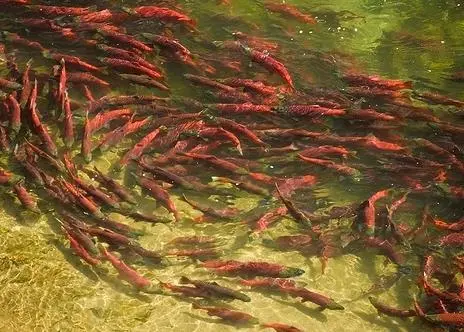
The new peer-reviewed EPA study concluded that even under routine operation, mining the Pebble Mine deposit would have severe and lasting consequences including destroying up to 94 miles of salmon streams and 5,350 acres of wetlands, lakes and ponds.
“Thousands of hardworking commercial fishermen rely on the Bristol Bay fishery, and we’re proud to provide a sustainable and healthy source of food for the nation,” said Bob Waldrop, executive director, Bristol Bay Regional Seafood Development Association.
“Our industry is the economic engine for the region, and we’re calling on the Obama Administration to take immediate steps to protect it from all large-scale mining in the Bristol Bay drainages.”
Bristol Bay is the largest sockeye salmon fishery in the world and the EPA assessment has highlighted the severe impacts and risks of large-scale mining could have on the area.
Other findings in the study included the detrimental effect to 33 miles of streams through reduced flows, resulting in reduced salmon production. Also the water pollution generated from billions of tons of toxic mine waste that would require capture and treatment long after mining concludes, and potentially in perpetuity.
The fate of the fishery and all the jobs that depend on it now rests with the EPA. Bristol Bay produces nearly 50% of the world’s supply of sockeye. It provides at least 14,000 full and part time jobs and has been valued at $480m annually.
Related Articles
 FISHERIES
 FISHERIES
 WORLD FISHING EVENTS