



Small-scale champion passes away
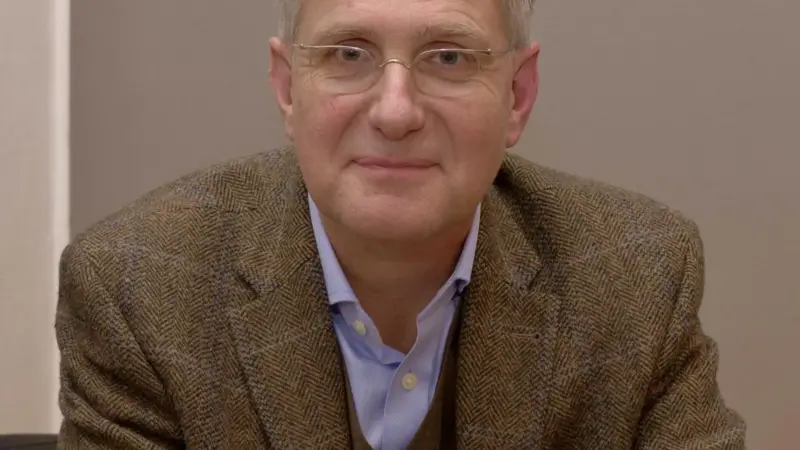
Small-scale fishermens champion Father Thomas Kocherry passed away on 3 May 2014, reports Menakhem Ben-Yami.

Father Thomas Kocherry, an activist priest, union leader, anti-nuclear activist and people’s movement educator was a champion of India’s environmental and social justice movements. He became a “legend of social movement” in India, and helped to unite traditional fishermen globally.
He died of cardiac arrest on 3 May, age 74.
Father Kocherry was the former chairman of the National Fishworkers Forum and of the National Alliance of People’s Movements. His launch of a World Forum of Fisherpeople earned him the ‘Earth Trustee’ award of the United Nations. He helped organise health clinics and nurseries among the fisherfolk systematically exploited by wholesalers. He held bachelor’s and law degrees and was ordained a priest in 1971.
In the mid-1990s he led a successful, nationwide campaign to stop the Indian government from allowing a growing fleet of 2,600 large foreign trawlers to the country’s fishing grounds – a significant victory against corporate globalisation of the fishing industry. In 1999, he received the Sophie Prize, a Norwegian award for environment and development. In 1997, he became the first Indian to be awarded the US$150,000 Pew Fellowship in Conservation and the Environment for his contribution to protecting marine life.
Sri Lankan fishing people are also indebted to Father Thomas for his intervention leading to the release of Sri Lankan fishermen arrested and kept in India. He served as a commissioner during the People’s Planning Commission, organised by Sri Lankan civil society organisations to find an alternative approach for the post-tsunami development process, and was the major force behind the Coordination Committee of the World Forum of Fisher Peoples’ (WFFP) at its 4th General Assembly held it in Sri Lanka, in 2008. His last battle was against the controversial Koodankulam nuclear plant in Tamil Nadu.
Fishing people will miss Father Thomas’ vision, wisdom and leadership not only in southern Asia, but worldwide.
Related Articles
 FISHERIES
 FISHERIES
 WORLD FISHING EVENTS