


Ban of phosphates in detergents, cleaning up remaining Helcom hotspots and a network of marine protected areas are among seven simple actions which could help save one of the most threatened sea areas in the world, says WWF.
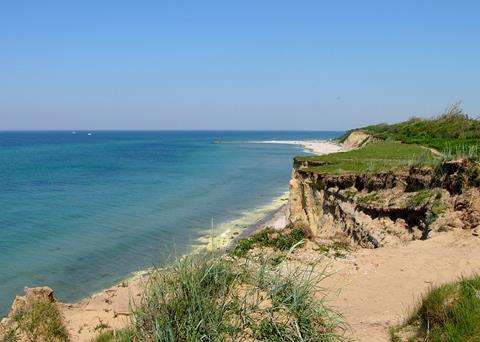
WWF and its partners have published a set of recommendations ahead of the Baltic Sea Action Summit which takes place in Helsinki today.
Prime Ministers and Heads of States, together with companies and organisations will meet this week in the Finnish capital to agree on “practical commitments to save the Baltic Sea”.
The Finnish president Tarja Halonen and the Swedish king, Carl XVI Gustaf, also president of the Council of WWF Sweden, are among the participants.
“Strong leadership and urgent action is needed from all countries around the Baltic to save our joint sea. Good ambitions and bold commitments are very important, but words need to be followed by concrete action to a greater extent than today if we are to see any actual improvements in the sea”, said Mats Abrahamsson, Director, WWF Baltic Ecoregion Programme.
WWF has compiled a list of seven simple things that it says can be done right now in the short term to improve the state of the Baltic Sea. Many of these measures have already been “promised” by the Baltic Sea governments.
They are: Ban all uses of phosphates in detergents, introduce a tax on N and P in mineral fertilisers, ban fishing of eel until the stock is recovered and restore inland migration routes, ratify the Ballast Water Convention, clean up remaining Helcom hotspots, provide adequate port reception facilities for cruise ship sewage and establish a network of marine protected areas