





Sensitive Scottish salmon at risk
Wild salmon and sea trout in Scotland are at risk of being infected by sea lice released from fish farms located nearby, says the Rivers and Fisheries Trusts of Scotland (RAFTS).
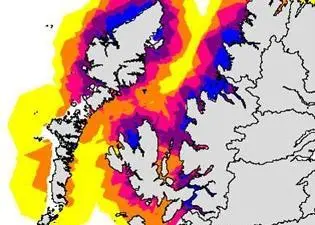
As a result, RAFTS has published an evidence-based guidance map of the west Highlands and Islands which pinpoints the “most sensitive areas” for the fish. According to the new map, more than half (57%) of salmon farms are located in the most important areas.
Roger Brook, treasurer, RAFTS, said: “It is imperative that the salmon farming industry avoids those areas which are most damaging to wild salmon and sea trout. The development of the map was always intended as a means of influencing the planning process locally. Essentially it is an evidence-based approach to inform representations to planning proposals for new fish farm sites.”
Fishery trusts, fishery boards and others can use the map, which is part of the Managing Interactions Aquaculture Project (MIAP), to improve protection of wild fish by identifying the highest risk places.
RAFTS and other wild fisheries groups have argued for years that many fish farms are too close to migratory fish rivers, increasing the risk that sea lice released from fish farms will infect wild salmon and sea trout.
“It should be of major concern to all those charged with managing and regulating salmon farms that the majority of existing farms are inappropriately sited from a wild fish perspective. Serious consideration should now be given to a selective relocation programme,” Mr Brook added.
Related Articles
 FISHERIES
 FISHERIES
 WORLD FISHING EVENTS