


Seismic surveys kill scallops
The effects of seismic survey acoustics on adult rock lobsters and scallops has been investigated by the University of Tasmania.
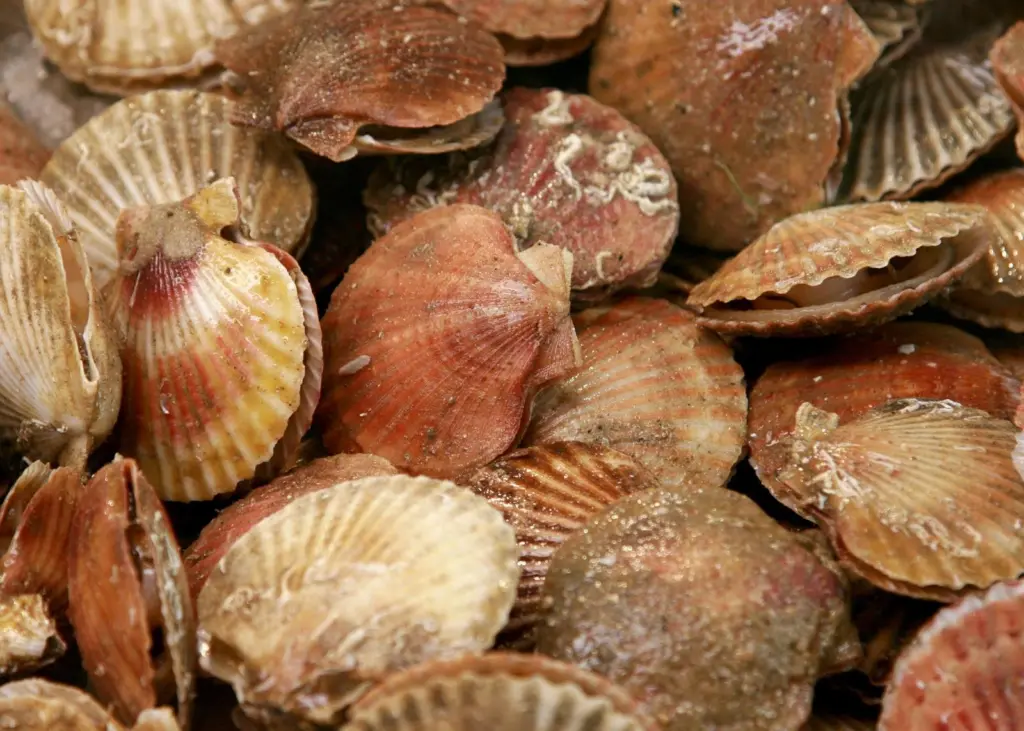
Its Institute for Marine and Antarctic Studies and Curtin University’s Centre for Marine Science and Technology’s research used an industry standard seismic air gun in lobster and scallop habitat off Tasmania to simulate seismic testing undertaken by the oil and gas industry.
During the research, it was revealed that there was no immediate mortality of scallops exposed to simulated seismic survey.
But, repeated exposure to air gun passes were found to significantly increase mortality. Control scallops were found to have a total mortality rate of 5% at day 120 after exposure, but exposed scallops showed mortality rates of 9%-11% for 1-pass treatment, 11%-16% for 2-pass treatment and 15%-20% for the 4-pass treatment.
Scallop behaviour was also altered by exposure to the seismic survey with a decrease in classic behaviours including positioning, mantle irrigation and swimming and the observation of a flinching behaviour.
Given the compromised physiological condition of the exposed scallops following seismic surveys the study concluded it likely that scallops would have reduced tolerance to subsequent environmental, nutritional and pathological stressors.
Therefore, this would result in increased mortality in time frames beyond those examined in the study.
Seismic exposure did not result in any immediate lobster deaths but a range of other effects were observed.
Lobsters exposed to the replicated seismic survey in summer showed a 32% decrease in the ability to extend their tails compared to control lobsters that were not exposed.
This response persisted for 14 days after exposure, when exposed lobsters had a 23% decrease in the ability to maintain tail extension. The effects of stress in lobsters are known to be worse in warm water, which explains why this response was only observed in the experiment conducted in the summer.
However, the duration of the inability to tail extend indicates that its cause cannot be explained simply by fatigue and the cause is more complex. A lobster who cannot extend their tail may be less able to escape from a predator.
Related Articles
 FISHERIES
 FISHERIES
 WORLD FISHING EVENTS