



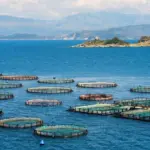


Seaweed farming brings opportunities to Ireland
Seaweed farming offers Ireland the opportunity to become a producer of one of the EUs fastest growing food categories that could boost Irish seafood sales by an additional €10m per year by 2020.
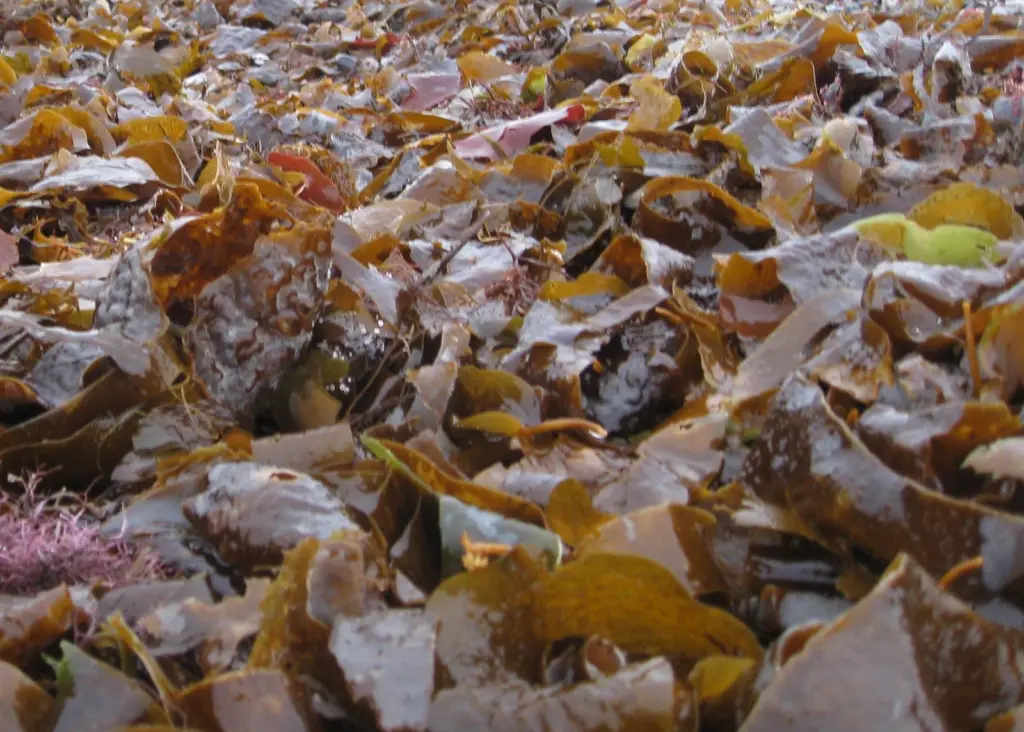
This is the message delivered at a Bord Iascaigh Mhara (BIM)-hosted conference titled ‘Farmed Irish Seaweed: An Ocean Wonder Food?’ held in Limerick this week, as the Agency’s first report on Irish seaweed farming was unveiled.
Findings from ‘The European Market for Sea Vegetables’, a study specially commissioned by BIM for the conference, show Ireland targeting 2,000 metric tonnes (harvest weight) per year of seaweed farmed for human consumption as it competes to develop a niche in the $6bn worldwide farmed seaweed industry currently dominated by China and Japan.
The demand for European farmed seaweed, increasing by approximately 7-10% per annum, could lead to 100 new jobs being created on seaweed farms predominantly along Ireland’s west/south-west coastline, while downstream processing of the new seaweed crops would also lead to a further 80 to 100 jobs in the region.
Conference keynote speaker Amarjit Sahota said, “The European market for sea vegetables – estimated at about €24m at a wholesale value – is considered to have high prospects for Irish producers for two primary reasons. First, Ireland is already established as an important seaweed producer; it is therefore well equipped to raise production levels of sea vegetables. Second, the European market is suffering from undersupply with production falling short of demand. Imports comprised about 75% of total sales volumes in 2013.”
The report advises that while Ireland should continue to farm the brown seaweed species (Alaria esculenta and Laminaria saccharina), of the type already being grown at sites in West Cork’s Roaring Water Bay and at Dingle Bay, it should also target higher value red seaweed, which is used as nori in sushi (Porphyra umbilicalis).
Global consumption of sea vegetables is rising as consumers become more aware of their health and nutritional benefits. Sea vegetables are an important source of protein and vitamins, specifically vitamins A, C, E, B1, B2, B6, and B12.
Related Articles
 FISHERIES
 FISHERIES
 WORLD FISHING EVENTS