




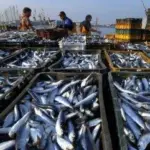

Seals not competing with commercial stocks
New research has found that seals are not threatening commercial fishing stocks in Irish waters.
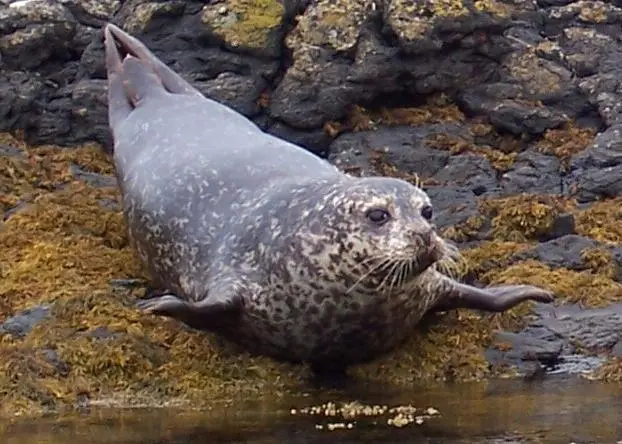
The findings show that seals are having no significant impact on populations of the most popular species of fish caught for commercial purposes along the south and west coasts of Ireland, from counties Galway to Waterford.
The research was led by Queen’s University, in collaboration with University College Cork and the Marine Institute (Co Galway). The first comprehensive study of its kind, its conclusions suggest that the seals do not compete with fishermen over the stocks. The issue of seals in Irish waters has been controversial in recent years and there have been calls from some quarters for culls.
Lead researcher Dr Keith Farnsworth from Queen’s University’s Institute for Global Food Security said, “We need to emphasise that this work in no way says that seals cause no problems for the fishing industry. They do create significant problems for static fishing gear, such as the fixed nets used by estuarine salmon fishers, and they may also impact on numbers of wild salmon, although most salmon eaten on these islands is farmed.
“What we are saying is that for most commercially fished species off the south and west coasts of Ireland – herring, mackerel, cod, haddock, whiting and 30 other species – seals are having no significant negative effect on numbers.”
The research found that seals are actually eating much smaller fish than the larger, mature specimens that fishermen are required by law to catch – and there are hundreds more younger fish than mature fish in any given species.
“In fact, we found evidence that seals may actually be doing the fishermen a favour, by eating some species that prey on the valuable stocks the fishermen are after”, said Dr Farnsworth.
The findings of this new research are based on data from an area roughly 100 miles off south and west Ireland, encompassing the coastlines of counties Waterford, Cork, Kerry, Clare and Galway. This work used material as diverse as the gut contents of the seals and the fish, through seal ‘scat’, to samples taken from commercial catches and research vessel surveys, and elaborate mathematical models.
Related Articles
 FISHERIES
 FISHERIES
 WORLD FISHING EVENTS