



Seakura launches new organic seaweeds
From its production facility located in the Natural Reserve of Michmoret on the Israel coast, Seakura Ltd has launched a new line of organic seaweed products that have been especially produced for European consumers.
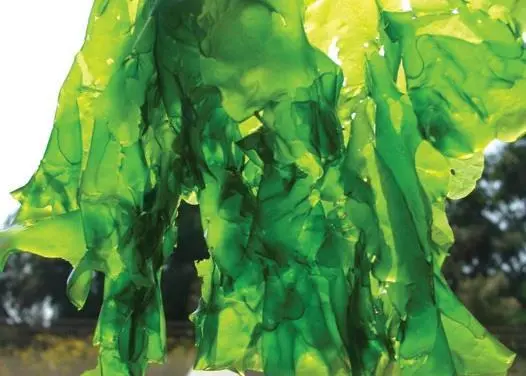
These unique products are available in various convenient formats in both foodservice and retail.
Seakura’s state-of-the-art farm specialises in producing organic green sea lettuce (Ulva lactuca) and red seaweed (Gracilaria sp.) that are carefully grown in pure local Mediterranean Sea water. This water enhances the rich natural flavour and aroma of Seakura’s seaweeds and contributes their high nutritional values.
The company’s new range comprises “Seakura Premium Fresh” green and red seaweeds as well as dried and powdered seaweed products. It has also developed an innovative “Seakura Seaweed Salad” made from sea lettuce that offers a 14-day shelf-life when refrigerated. This clean label product contains no artificial colouring or preservatives and has a high nutritional value.
All Seakura’s fresh seaweeds can be eaten on their own as vegetables or they can be mixed into salads, soups, rice dishes, casseroles, stews, pastas, noodles, pizza sauces and dressings etc. They are the perfect accompaniment to both fish and poultry dishes.
In dried form, Seakura´s dried green seaweed flakes and powders can be used as a spice, flavour enhancer, and an aromatic ingredient to all hot and cold foods.
Currently, a lot of the seaweed available to the European market comes from unconfirmed origins – either wild harvested in non-specified European waters or, more commonly, imported in large volumes from Asia. Seakura’s new organic seaweeds, however, deliver full traceability to Europe’s discerning chefs and retailers.
The company’s organic seaweeds mature in large pools of Mediterranean Sea water. This water is filtered to ensure maximum cleanliness and purity. The seaweeds are carefully nurtured under a controlled process, which involves balancing the water’s property and circulation with the plants’ exposure to the sun and the density of growth.
These seaweeds are certified under the stringent IFOAM organic certification programme, which allows them to be marketed as compliant under European ‘BIO’ and Naturland standards.
Related Articles
 FISHERIES
 FISHERIES
 WORLD FISHING EVENTS