


India’s seafood export industry is grappling with a major challenge following the recent US tariff hike, prompting urgent calls from industry leaders and policymakers for a rethink to sustain the sector’s growth.
The issue dominated discussions at the industry meet held alongside the fourth International Symposium on Marine Ecosystems (MECOS 4) at the ICAR-Central Marine Fisheries Research Institute (CMFRI).
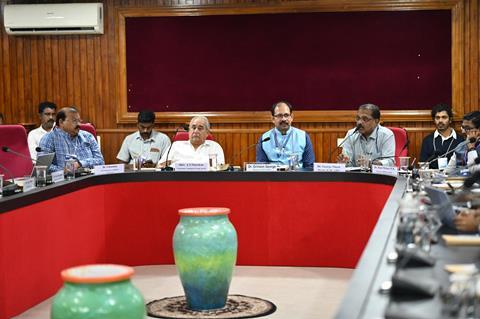
With exports to the US – India’s largest seafood market – falling sharply, stakeholders urged immediate measures such as market diversification, value addition and technology-driven innovation to safeguard trade and revenue.
“A robust technology-driven startup ecosystem in the fisheries sector is very much required, integrating the efforts of researchers, technologists, industry and policymakers to drive innovation and value addition,” said Dr George Ninan, Director of the ICAR-Central Institute of Fisheries Technology (CIFT).
According to Dr Ram Mohan, director of the Marine Products Export Development Authority, exports to the US declined nearly 6% during April to September 2025, while shipments to China, Vietnam and Thailand grew significantly.
“Combined with anti-dumping and countervailing duties, the effective tariff now stands at 58.26 per cent, severely denting India’s competitiveness in its top export destination,” he said.
Industry representatives emphasised that India must move beyond bulk exports and focus on high-value products such as breaded squid rings, surimi and ready-to-eat seafood. The meet also noted that India’s value-added seafood exports total US$742 million, lagging behind competitors like China, Thailand and Vietnam.
CMFRI Director Dr Grinson George confirmed that stakeholder inputs will be integrated into a comprehensive roadmap for sectoral revival under the MECOS deliberations.