




Spain on high alert
Hundreds of thousands of tonnes of high-risk seafood are entering the Spanish market each year, finds a new report.
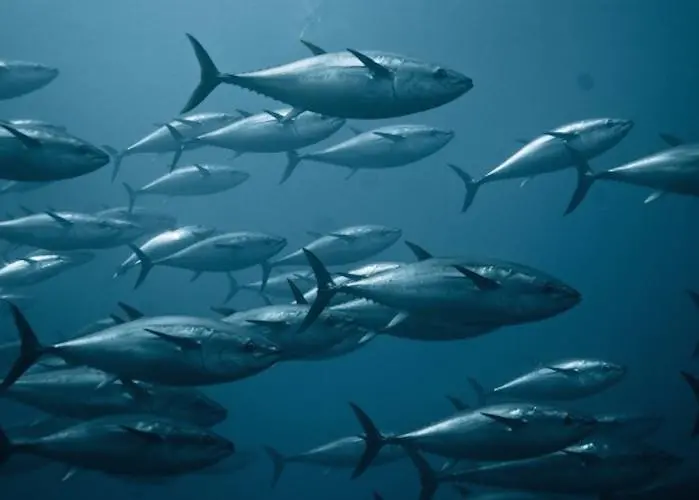
The report highlights that some species, including Atlantic bluefin tuna and swordfish, are being imported from countries where illegal, unreported and unregulated (IUU) fishing poses a risk such as China, Ecuador and Panama. Other species, like squid, are harvested in major fisheries that are not being managed at all.
Authored by the EU IUU Fishing Coalition in collaboration with ClientEarth, ‘IUU fishing, working conditions and the Spanish seafood industry: The importance of due diligence in the Spanish seafood supply chain’ asserts that by improving processes, the Spanish seafood industry can ensure the supply chain is free of IUU fishing products.
“Spanish seafood businesses must improve due diligence to ensure that illegal operations and human rights abuses aren’t occurring in their supply chains,” said Tom Walsh, lead researcher at the EU IUU Fishing Coalition.
NGOs and other stakeholders are therefore encouraging the Spanish seafood industry to implement voluntary codes, such as the PAS 1550:2017, to ensure that all seafood provided to Spanish consumers is free from IUU fishing and human rights abuses throughout the entire supply chain.
“It is in businesses’ interest to carry out thorough due diligence,” said Quentin Marchais, sustainable seafood lead at ClientEarth.
“It is a way to dig into your supply chain, understand its complexity, and map out the legal and reputational risks associated with it. You cannot manage what you cannot measure. Measuring the risks you are exposed to is the first step to reducing them. It is also key to improve seafood traceability and consumers’ trust.”
Related Articles
 PROCESSING & REFRIGERATION
 SEAFOOD
 SEAFOOD