




Russian whitefish tariff
Additional duties on Russian seafood are included in the latest batch of sanctions implemented by UK government this week.
These include an additional 35% tariff on Russian whitefish imports, which was originally announced back in March in response to the Russian invasion of Ukraine.
This tariff wasn’t confirmed until 19 July. It applies to any direct imports of Russian whitefish. However, any consignments that have already cleared Russian or Belarusian customs and are on their way to the United Kingdom will be unaffected.
According to UK public body Seafish, the tariffs affect direct seafood imports of Russian origin with whitefish caught by Russian vessels and shipped directly to the United Kingdom. These are regarded as Russian-origin and are therefore subject to the additional duties.
Conversely, Russian-caught products that are substantively processed in another country are not considered Russian origin and as such are not expected to incur additional tariffs.
Seafish explains that freezing and portioning do not constitute substantial processing, while filleting and pin-boning do (both manual and mechanical). Vacuum packing is also regarded as a substantial process because of the need for specialised equipment.
In a statement, Seafish Director of Operations Aoife Martin said, “The seafood tariff sanction was originally announced earlier this year, but implementation was paused to allow work to be undertaken to understand likely impacts on the seafood sector. Ministers are implementing the tariff now following consultation with industry.
“As the tariff sanction has been long signposted, many seafood businesses have already been looking at alternative options, but any businesses still importing seafood direct from Russian will be impacted when the tariff comes into force next week.”
Martin pointed out that the UK is not self-sufficient when it comes to domestic landings of whitefish. In 2020, it landed about 47,000 tonnes of cod and haddock but imported over 430,000 tonnes of whitefish.
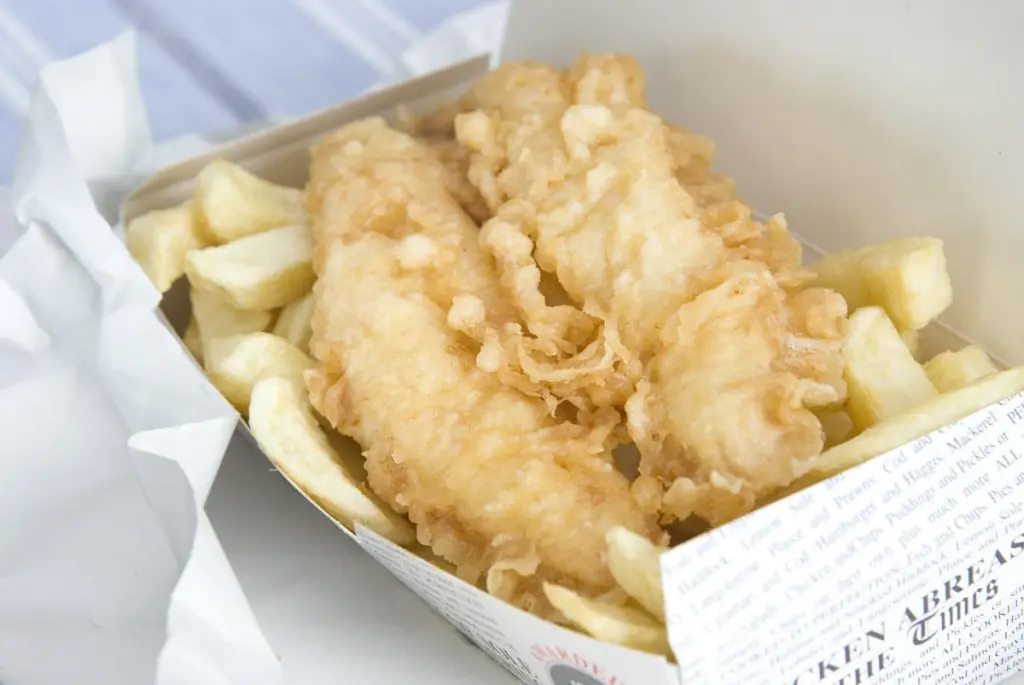
“Russia controls 45% of the global whitefish supply so removing this fish from our seafood supply chain will have impacts as businesses try to find alternative sources of supply. Consumers can expect to see different species in their local fish and chip shop. Unfortunately seafood prices may also have to rise,” he said.
Related Articles
 SEAFOOD
 SEAFOOD
 PROCESSING & REFRIGERATION