






Promoting seafood: ‘think global, act local’
Norway is leading the way on promoting seafood as a sustainable, healthy way of meeting the world’s nutritional needs.
The UN predicts we will need 70% more food to meet a growing global population’s needs in 2050. Sustainably sourced seafood can play a big part in helping meet demand.
“It has been estimated that the oceans, if managed responsibly, can provide up to six times more food than they do today,” said Martin Skaug, director of communications, Norwegian Seafood Council.
The Norwegian Seafood Council is therefore urging people to ‘think global and act local’ with a number of projects across Europe.
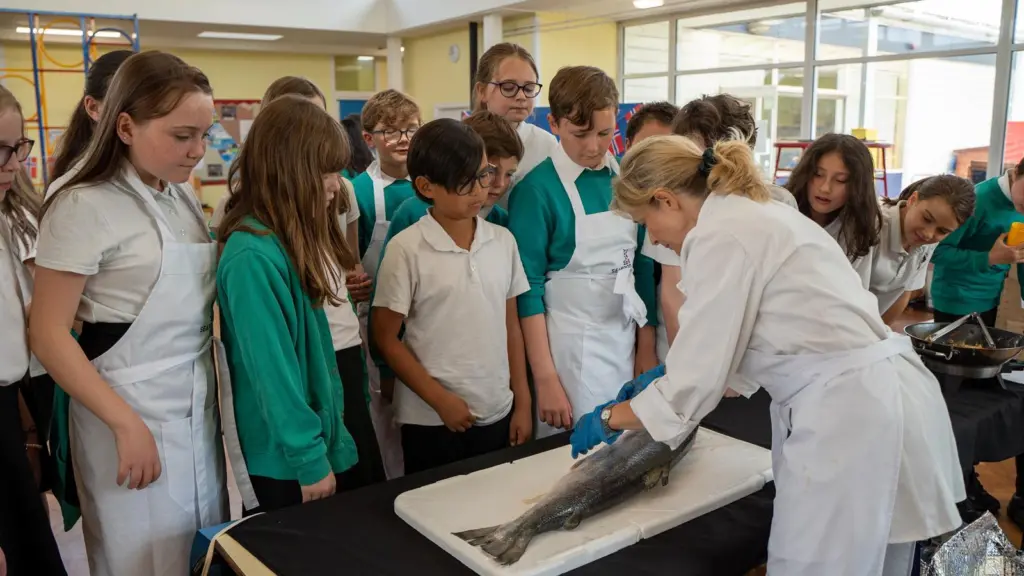
These include Fiskesprell in Norway, an initiative to get more children interested in seafood by demonstrating basic fish cookery to four- and five-year-olds. Such was its success that the concept is being trialled in the UK by home economist Kate Snow who is working with the UK government on the EATWELL programme.
Also in the UK, NSC is partnering with businesses, schools and families in Letchworth in Hertfordshire to launch a sustainability campaign. Kate Snow worked with Celebrity Masterchef winner Lisa Faulkner and dietitian Juliette Fellow on a three-week trial to get eight local families eating more seafood. At the end, all agreed they would continue replacing meat with fish in some of their weekly meals.
Lastly, over in France the NSC is using social media to increase awareness of pollock as a healthy and easy option with a back-to-school campaign encouraging families to eat well after their indulgent summer breaks.
“It has been really encouraging to see how different nations tackle the global issue of seafood consumption. It is evident across the board that we all need to consider incorporating more fish into our diets, and it’s important that we educate our future generations on the overall benefits,” concluded Mr Skaug.
Related Articles
 SEAFOOD
 PROCESSING & REFRIGERATION
 SEAFOOD