




Indonesia exported 105,259 tonnes of shrimp in the first-half of 2025, with the total representing a 13% increase on the corresponding period of last year, according to new industry analysis from Shrimp Insights.
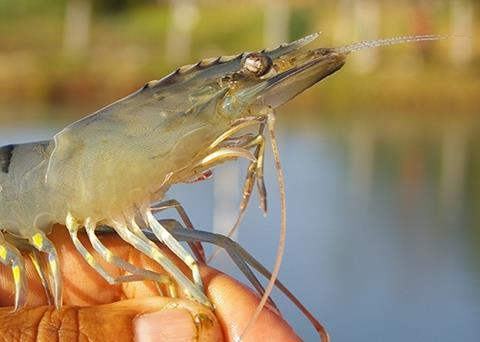
The organisation noted that the export value grew faster, rising 23% to US$ 889 million, with the upturn supported by higher demand for value-added products and strong prices for whiteleg shrimp (Penaeus vannamei).
Raw vannamei remained the largest export category with 50,862 tonnes (up 20% year-on-year), while cooked and marinated products followed with 30,280 tonnes (up 33%). Breaded shrimp exports grew modestly by 9%, while raw black tiger shrimp (Penaeus monodon) remained in decline at 4,034 tonnes (down 19%).
The United States remained Indonesia’s largest market in the first-half of 2025, importing 69,653 tonnes – up 12% compared with H1 2024. Japan with 15,982 tonnes recorded modest growth of 5%, with declines in May and June offsetting earlier gains. China showed volatile monthly trends but ended H1 2025 up 19% to 5,864 tonnes thanks to sharp rebounds in February and May.
Shrimp Insights confirmed that EU-27 was the fastest-growing major market, with imports up 58% to 4,904 tonnes, supported by consistent double-digit monthly increases. Canada also expanded rapidly, up 94% year-on-year, albeit from a smaller base, to 2,247 tonnes.
“H1 2025 was marked by tariff uncertainty in the US market. Indonesia first faced the shock of a proposed steep tariff increase, which unsettled exporters and buyers. However, a deal was soon announced for a lower-than-feared tariff. With India now facing a much higher tariff than Indonesia, the country’s prospects in the US have suddenly improved again.”
Shrimp Insights added that if current growth rates continue into the second half of the year, Indonesia could finish 2025 with exports exceeding 200,000 tonnes. But, it said, much will depend on how the revised tariff structure reshapes buying patterns in the US and whether Indonesia can sustain its momentum in value-added exports to both traditional and emerging markets.