

EU adopts ban on forced labour
European Council has adopted a regulation prohibiting products in the EU that are made using forced labour. The Forced Labour Regulation (FLR) text forbids the placing and making available on the Union market, or the export from the Union market, of any product made using forced labour.
According to the Council, the FLR creates the necessary framework on which to base legal action targeting products made with forced labour on the internal market.
Moving forward, the European Commission will create a database of forced labour risk areas or products to support the work of competent authorities in assessing possible violations of this regulation.
Based on an assessment of possible risks, the Commission (in the case of the use of forced labour outside the EU) or member state authorities (in the case of the use of forced labour within their territory) may initiate an investigation.
The Council said member state authorities should share information with other member states if they suspect that violations of the regulation occur in other parts of the European Union, or share information with the Commission, if they suspect the use of forced labour in a third-country.
A final decision (i.e. to ban, withdraw and dispose of a product made using forced labour) will be taken by the authority that led the investigation.
Decisions taken by a national authority will apply in all other member states, based on the principle of mutual recognition.
The Environmental Justice Foundation (EJF) has welcomed the decision, calling the regulation “a critical move” towards aligning trade with the EU’s commitment to human rights and ethical governance.
“Consumers deserve assurances that the products they buy are not tainted with abuse and exploitation,” EJF CEO and Founder Steve Trent said. “However, passing this regulation is only the first step. The true test lies in how swiftly and ambitiously it is implemented. Failure to act decisively, including through the allocation of sufficient resources in delivering product bans, would mean ongoing impunity for exploitative companies.”
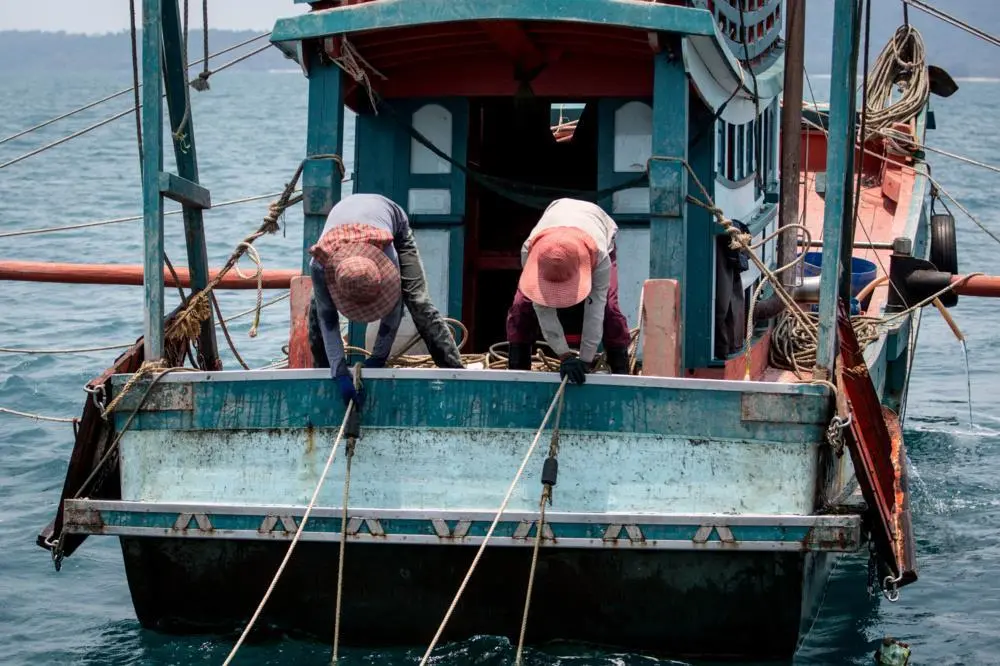
EJF’s investigations into forced labour across global fisheries and supply chains have repeatedly uncovered severe exploitation, including cases of physical abuse, withheld wages, and life-threatening working conditions.