





Sea Shepherd activists arrested
Sea Shepherd activists were arrested for disturbing a group of dolphins off the Faroe Islands on Wednesday, according to the Faroese Prime Minister’s Office.
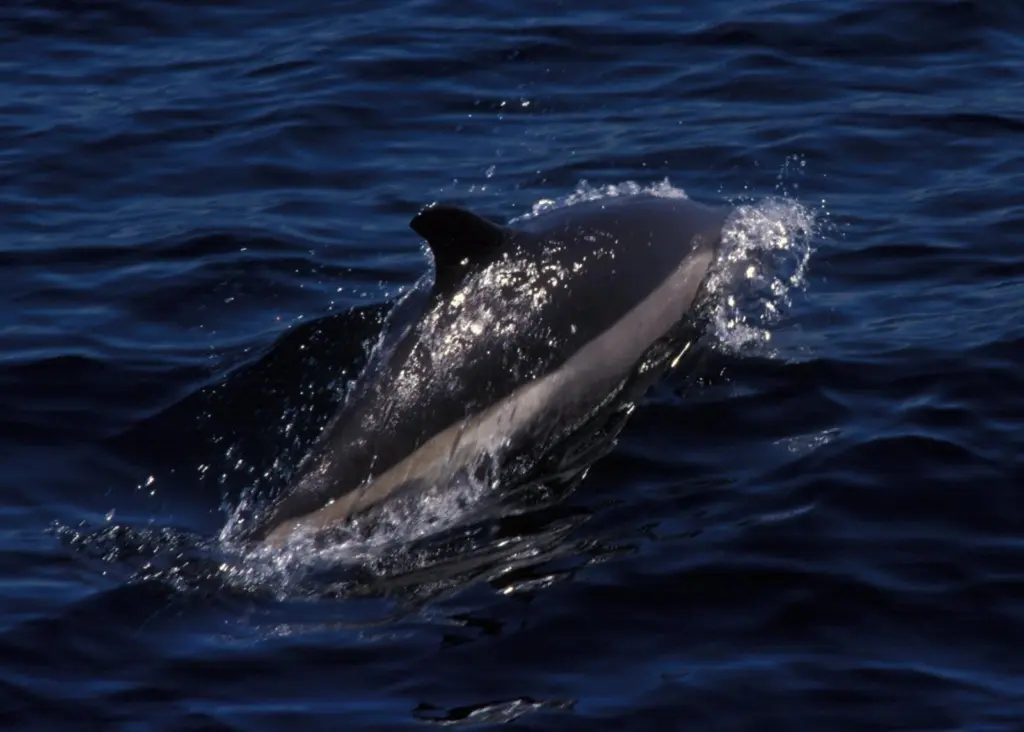
A group of white sided dolphins was spotted off the village of Hvítanes, near the capital of Tórshavn yesterday afternoon, and due to the prevailing conditions, the district administrator responsible for whale and dolphin drives in the area decided that the dolphins should be left alone.
However, the Prime Minister’s Office reports that three Sea Shepherd activists in a speedboat steered their vessel at considerable speed around the dolphins and through the group, causing unnecessary distress to the animals.
When the police arrived on the scene the activists sped away and refused to stop. They were eventually detained and charged with breaching Faroese animal welfare legislation and refusing to follow police orders.
Their vessel was not withheld and all three activists were released shortly after questioning and have been ordered to pay fines.
White-sided dolphins (Lagenorhynchus acutus) are a commonly occurring and abundant species around the Faroe Islands and are sometimes driven and beached, like pilot whales, and fully utilised for human consumption. The driving and killing of dolphins in the Faroe Islands must be carried out according to the same regulations which apply to pilot whales.
In addition to white sided dolphins, bottlenose dolphins (Tursiops truncatus) and harbour porpoises (Phocoena phocoena) are also common in Faroese waters, and may be caught for food according to the relevant regulations.
The Scientific Committee of NAMMCO (the North Atlantic Marine Mammal Commission) has been requested to provide a comprehensive assessment of this species in the North Atlantic. The emphasis is on analysing results from sightings surveys as a basis for establishing abundance estimates for the stocks, to coordinate research efforts between countries in order to fill identified information gaps, in particular taking advantage of the sampling opportunities provided by Faroese catches, as well as dedicated samples in other areas.
Related Articles
 FISHERIES
 FISHERIES
 WORLD FISHING EVENTS