




Scottish shellfish survey
Marine Scotland Science has published the Scottish Shellfish Farm Production Survey 2013, which details statistics on the employment, production and value of shellfish from Scottish shellfish farms.
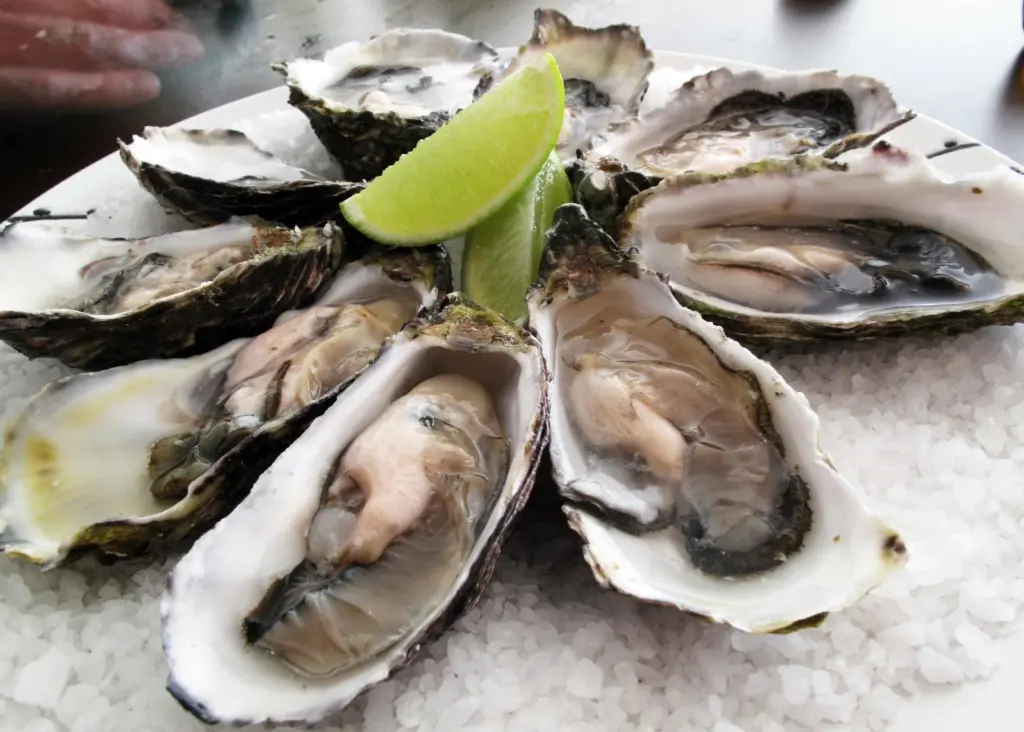
It is structured to follow industry trends within the mussel, Pacific oyster, native oyster, queen scallop and scallop species sectors, and is based on the returns of an annual survey questionnaire sent to all active authorised shellfish farming businesses in Scotland.
Key findings of the report include:
In 2013, 6,757 tonnes of mussels were produced for the table market in Scotland. This was despite the toxin issues which caused a number of producers to voluntarily suspend commercial production for several months during 2013.
Mussel and Pacific oysters remain the main species produced in terms of both value and tonnage. Mussel production increased by 8% while Pacific oyster table production decreased by 30% during 2013.
Production of Pacific oysters for on-growing has significantly increased (95%) in 2013 as new markets, home and abroad, have been established.
There has been an increase in queen scallop production but a decrease in scallop production, production for on-growing of both queens and scallops has increased since 2012.
Native oyster production dropped from 317,000 to 260,000 shells in 2013. The sector continues to target a strong niche market.
Employment levels showed a decrease of 7% from the previous year, with 333 full, part-time and casual staff being employed during 2013.
The Scottish shellfish farming industry is estimated to be worth £8.9 million at first sale value.
Related Articles
 FISHERIES
 FISHERIES
 WORLD FISHING EVENTS