






Scottish fish an eco-choice, says study
Scottish caught pelagic fish such as herring and mackerel have a low carbon footprint compared to other types of food production, finds a new study.
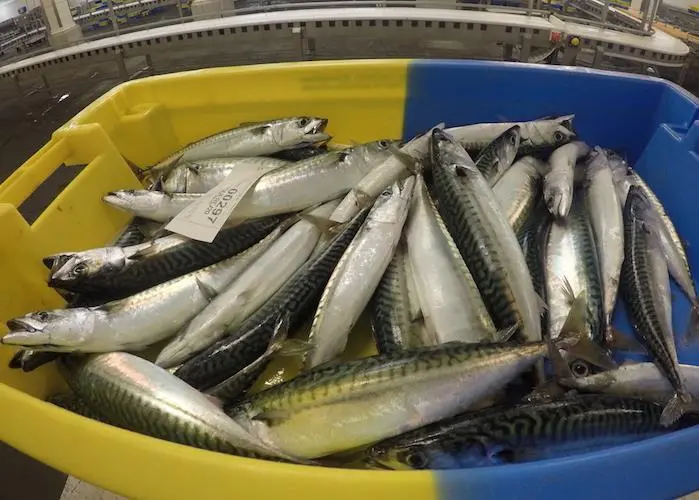
The study, ‘The environmental impacts of pelagic fish caught by Scottish vessels’ was carried out by Frances Sandison as part of her PhD studies and funded by the Scottish Pelagic Sustainability Group, Shetland Islands Council, University of Aberdeen, University of the Highlands and Islands, and Shetland Fish Producers’ Organisation.
“In Scotland we have access to a fantastically low impact, highly nutritious, locally caught source of protein,” said Ms Sandison. “Compared to other meat sources the choice is clear for the environmentally conscious consumer – we should be eating more local pelagic fish.”
Her study found that UK farmed salmon has a carbon footprints 7.2 times higher than Scottish caught pelagic fish. Norwegian caught cod and haddock are 3.5 and 3.9 times higher respectively.
Previous work by Ms Sandison had revealed that the carbon footprint of the Shetland mackerel trawl fishery was much lower compared to land-based meat production, including chicken, beef and pork.
Her environmental impact study also found that fuel consumption in the fishing phase is the main contributor of carbon emissions. Enhancing fuel efficiency through innovations in vessel design and fishing practices and moving to alternative fuel sources are part of the Scottish pelagic sector’s efforts to minimise emissions.
Related Articles
 FISHERIES
 FISHERIES
 WORLD FISHING EVENTS