





Scientific work to “revolutionise” salmon breeding
“Ground-breaking” scientific work is set to improve efforts to develop robust, disease-resistant, farmed salmon.
Salmon egg producers worldwide will now have access to a scientific tool to customise breeding programmes and develop healthier and robust strains of salmon in a naturally sustainable way while reducing the use of therapeutic chemicals.
Dr Alan Tinch, director of genetics at Landcatch, said: “This development takes selective breeding programmes to a whole new level. It is an extension to the selective breeding of salmon allowing more accurate identification of the best fish to create healthier and more robust offspring.”
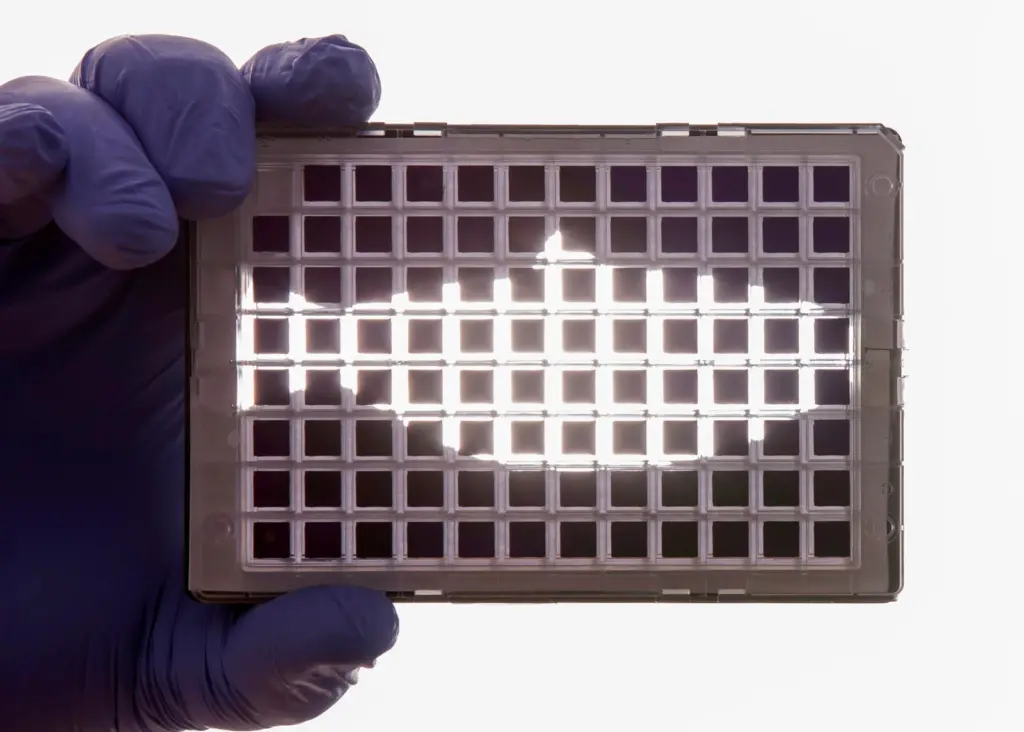
Carried out by scientists at aquaculture genetics company, Landcatch and a number of Scottish universities, the work centres on the development of a SNP Chips for Atlantic salmon which allows scientists to take the next step in predicting which fish have the best performance by looking at their individual DNA sequence.
“We have now achieved a strategic goal in salmon breeding. We have a far clearer picture of how individual fish will perform in our customers’ farms,” Mr Tinch added.
SNP Chips are glass slides used to analyse variations in DNA sequences, which act as biological markers and help scientists locate a range of genes associated with disease resistance and other traits.
Until now, studies on the genetic make-up of salmon and efforts to improve the accuracy of selection in breeding programmes have been hampered by the relatively small number of markers that could be used to identify certain traits in individual fish.
Now, the first high-density SNP genotyping array for Atlantic salmon has been developed.
Related Articles
 FISHERIES
 FISHERIES
 WORLD FISHING EVENTS