





Science update for Oz pelagic fishery
New science for the Commonwealth Small Pelagic Fishery (SPF) has been released, which will help determine the total allowable catch limit for the 2015-16 seasons.
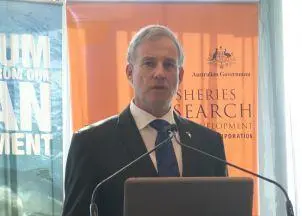
The report, Review and update of harvest strategy settings for the Commonwealth Small Pelagic Fishery, was carried out by the CSIRO and released by the Fisheries Research and Development Corporation. It looks at four main target species in the SPF: jack mackerel, redbait, blue mackerel and Australian sardine.
“Australia’s fisheries are world class and sustainably managed and we will continue to make any decisions regarding Australian fisheries based on sound science,” said Senator Richard Colbeck, Parliamentary Secretary to the Minister for Agriculture.
The report recommends maximum harvest rates for key SPF species and breaks them down according to species and zones. It recommends 9% for the Eastern redbait, 10% for the Western redbait, 12% for both the Eastern and Western jack mackerel, 23% for both Eastern and Western blue mackerel and 33% for the Eastern Australian sardine stock.
The harvest rate for all stocks for the current season is currently set at 7.5% of the estimated fish population.
“Commonwealth fisheries have conservative catch limits to ensure our fisheries are available for current and future generations to enjoy,” added Senator Colbeck.
CSIRO’s report also found that SPF target species have only minor impacts on other parts of the ecosystem, as alternative food sources exist for large predators such as tuna.
Another research programme is also now underway to estimate the current size of Eastern jack mackerel, with the results expected in March.
Related Articles
 FISHERIES
 FISHERIES
 WORLD FISHING EVENTS