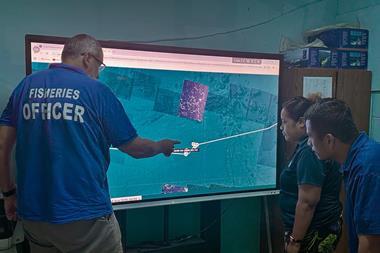




Satellite comms company, Inmarsat, together with the Indonesian Ministry of Marine Affairs and Fisheries, its Department of Fisheries, the UK Space Agency and other partners have successfully completed a three-year fisheries innovation project.
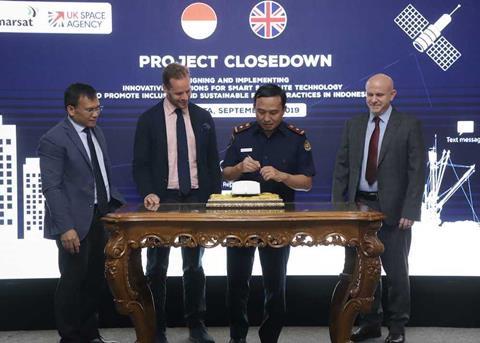
Thirty-nine lives were saved during the project, which aimed to deliver enhanced safety, ship to shore contact, and reduce illegal fishing through the use of low-cost, solar-powered satellite technology on smaller fishing vessels.
James Cemmell, vice president, government engagement, Inmarsat, said, “The results of the project highlight how technology, training and respect for the expertise of fishers can together deliver enhanced safety, economic growth and environmental sustainability.
“Together with the fishing community, government, technologists and specialists in fisheries management, we have prototyped a ‘Made-in-Indonesia’ satellite communications device for fishers.”
Independent analysis by consultancy firm, Poseidon Aquatic Resource Management, has shown that applying satellite-based technology to smaller boats below 30 gross tonnage, although not currently legally required, can help Indonesia’s industry move towards safer, more sustainable and profitable operations.
With funding from the UK Space Agency and support from Inmarsat, this International Partnership Programme project was implemented to test the benefits and challenges of expanding the use of satellite-based Vessel Monitoring Systems (VMS).
During the project, fishers were able to call for help during times of acute distress. Poseidon estimates that 39 lives were saved during this time. The project also delivered enhanced capabilities in both the fisheries monitoring centre as well as on its patrol vessel.