






Sanford discussion around recording catch
The CEO of New Zealand fishing company, Sanford Limited, has commented on the data released in a recent University of British Columbia report.
The report, Reconstruction of Marine Fisheries Catches for New Zealand (1950-2010), used historical catch information from New Zealand fisheries.
Volker Kuntzsch commented on how the historic data relating to the commercial fishery sector distracts from a genuine discussion around the future management of fisheries.
He commented: “Rather than focusing on unreliable information around commercial catch and discard size, predominantly dating back to decades before the introduction of the Quota Management System 30 years ago, we should be looking at filling the gaps in our current understanding of all catch in New Zealand.”
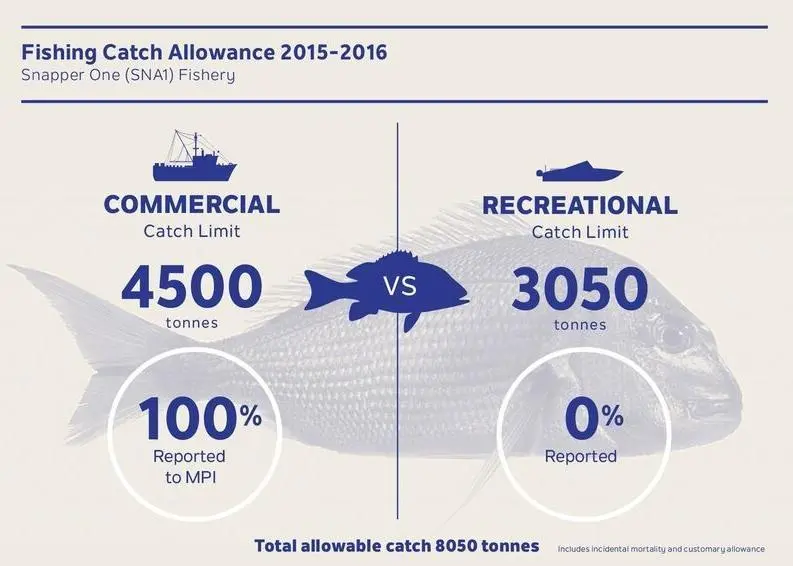
Snapper One (SNA 1) Fishery, pictured, was used as an example as CEO Mr Kuntzsch discussed that the number of fish caught by recreational fishers and recreational charter operators could be higher and remain unreported.
Running from the top of eastern Northland to the Bay of Plenty, the SNA 1 reion has a total recreational catch of 3050 tonnes according to the report.
Mr Kuntzsch explained: “With up to 21,000 recreational fishers in 6,900 boats heading out into the Gulf on a good day and a burgeoning Auckland population that is expected to reach 1.77m by 2020.”
“Over the summer period the actual number of snapper caught could be twice the recreational catch allowance for the entire SNA 1 area of 3050 tonnes.”
Sanford has worked to create recognised sustainable fishing in the area, aiming to gain MSC certification for the SNA 1 region. But believe this will not be possible without strict monitoring of all catch from this area.
The University of British Columbia report claimed that the information from New Zealand fisheries between 1950 and 2010 were nearly three times larger than the official records. It also stated that unreported fish and discards account for most of the difference.
“This report has ignored independently audited official catch records for New Zealand held by The Ministry for Primary Industries,” said Mr Kuntzsch.
He concluded: “Those MPI records, along with NIWA’s report summarising catches since the early 1990’s, shows the level of discards is at around six percent.”
“Whether the fish on your plate is bought or caught, everyone needs to be aware of their impact on the marine environment and act responsibly.”
Related Articles
 FISHERIES
 FISHERIES
 WORLD FISHING EVENTS