
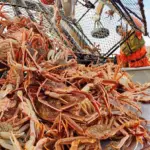

Sanford awarded BAP certification for salmon and mussels
New Zealand fishing company, Sanford Limited, has been awarded the Global Aquaculture Alliance’s Best Aquaculture Practices (BAP) certification for its production of king salmon and green lipped mussels.
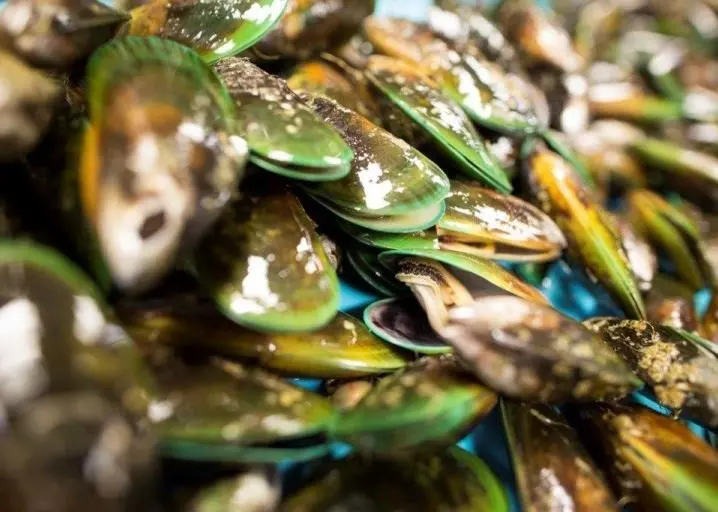
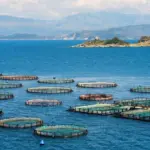
Oncorhynchus tshawytscha and Perna canaliculi – the salmon and mussels respectively – are both grown in Big Glory Bay on Stewart Island in New Zealand. Greenshell mussels are unique to New Zealand and are in increasing demand internationally.
“Sustainability is at the core of everything we do at Sanford,” said Volker Kuntzsch, chief executive of Sanford. “Earning BAP certification ties well into our company ethos.
“For us this is about benchmarking ourselves against the rest of the world in farming and sustainability. BAP certification means consumers can trust Sanford to deliver not only the best quality seafood but also know we are measured in terms of environment, social and food-safety impacts, to meet the growing demand for ethically produced aquaculture,” he added.
Aquaculture New Zealand chief executive, Gary Hooper, commended Sanford for its commitment to environmental guardianship: “BAP certification is a welcome recognition of this commitment and further enhances the industry’s reputation as the world’s most sustainable seafood producers. New Zealand’s marine farmers operate to the world’s highest environmental standards. Sustainability is not an added extra — it is core to our industry.”
The Global Aquaculture Alliance is striving to make all salmon and mussels providers BAP-certified and is heartened by successes in this area.
“We are very proud to add Sanford to the growing list of outstanding producers in the Oceania region that have adopted BAP certification,” said Peter Redmond, BAP’s vice president of market development.
“By completing both mussel and salmon certification at the same time, Sanford has demonstrated a drive and commitment that is truly outstanding. BAP is proud to have the majority of salmon in the Oceania region certified, and we hope the actions of Sanford will further spur other industry leaders to take up the challenge whether in salmon or mussels.”
Related Articles
 FISHERIES
 FISHERIES
 WORLD FISHING EVENTS