





SalmoBreed makes breeding breakthrough
Norway’s SalmoBreed says it’s made a major breakthrough in genetic breeding programmes for PD and sea lice resistance with a new genetic method that could result in significant savings for the aquaculture industry.
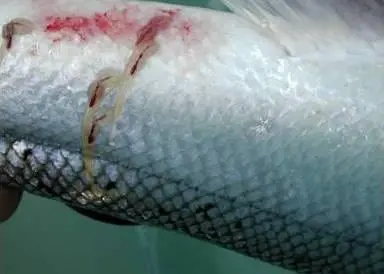
The method, Genomic Selection, is recognised in genetics science and is said to provide increased genetic gain and reduced rate of inbreeding in species such as cattle, pigs and poultry. Now, SalmoBreed is implementing the technology on salmon as well, initially for PD- and sea lice resistance.
“Our Geneticists are very satisfied with the accuracy of the results that we achieved from this method, especially for sea lice resistance that has previously been based only on lice counting results done on family fish,” said Jan-Emil Johannessen, CEO, SalmoBreed.
Through Genomic Selection, the breeding values for selection of parent broodfish are calculated using both phenotypic data and information from a large number of DNA-markers. In the case of PD- and sea lice resistance, SalmoBreed says it uses approximately 50,000 markers (called SNPs).
“For PD resistance, we have previously used family information from challenge tests in addition to QTL testing of candidates,” explained Dr Borghild Hillestad, genetics and genomics manager. “We have used information from a smaller segment on the genome which explains a significant part of the genetic variation of the trait. By using Genomic Selection instead of QTL, we look at the whole genome of the fish and thus present a more complete picture of how the genetic architecture looks for the trait we study, which results in a more accurate selection of broodstock.”
“For sea lice resistance, genetic ranking has been based on family information from challenge tests,” she added. “We have therefore only been able to select between families, without knowing anything about the properties of the individual broodstock. With Genomic Selection, we can select those individuals showing the highest resistance to sea lice within each separate family, and hence get a stronger assurance that the eggs we supply actually have the desired genetic value of the trait of interest.”
By using this technique, SalmoBreed says it can increase its genetic progress, reduce the rate of inbreeding and run a more sustainable programme, meaning it will be possible to reduce the number of sea lice treatments in the sea and result in future cost savings.
The R&D leading to Genomic Selection was carried out in co-operation with Nofima and other partners in the research council of Norway (NFR).
SalmoBreed will use the method in its egg production this autumn.
Related Articles
 FISHERIES
 FISHERIES
 WORLD FISHING EVENTS