




Saithe fishery recertified
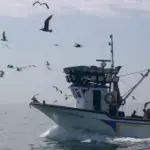
The UK Fisheries, DFFU and Doggerbank Group saithe fishery has been recertified against the Marine Stewardship Council (MSC) standard for environmentally sustainable fishing.
A 12 month, rigorous assessment by independent certifier, ME Certification LTD (MEC) has shown that the saithe fishery continues to meet the MSC’s demanding Fisheries Standard. As a result, any products from this fishery can continue to carry the MSC ecolabel, identifying their origin from a sustainable source.
The fishery first achieved MSC certification in January 2011. Every five years, fisheries in the MSC programme have to go through the full assessment process again to make sure they are continuing to meet the MSC Fisheries Standard. This reassessment showed a key strength of the fishery through its management system; specifically the control measures with strict monitoring and enforcement by EU, Norwegian and Russian authorities under joint agreements including a discard ban – 100% of all fish caught is landed. The fishery was recertified unconditionally for another five years.
Uwe Richter, Chair of Deutsche Hochseefischerei (Association of the German High Seas Fishermen) and Managing Director of Doggerbank, said, “The recertification of the Deutsche Hochseefischerei saithe fishery once again confirmed that this fishery is working sustainably and in accordance with healthy fish stocks, so products from this fishery can be consumed with a good conscience! We are very proud of that – and at the same time conceive this as an incentive and our duty to continuously improve our management system in order to meet the MSC´s high certification requirements today and in the future.”
The target species saithe (Pollachius virens) is fished in the North Sea, West of Scotland and the Norwegian Sea with an annual tonnage of just over 7,000t.
The fishery consists of six vessels using standard demersal rockhopper otter trawl nets equipped with sorting grids to allow juvenile fish to escape. The trawl mesh size must be at least 100mm in EU waters, West of Scotland, 110mm in the North Sea and 120mm in Norwegian waters. However, all the vessels use 120mm mesh (or slightly larger) in all areas.
The main commercial market is France.
Related Articles
 FISHERIES
 FISHERIES
 WORLD FISHING EVENTS