



SAILOR® teams up with F/V Northwestern from Deadliest Catch
Thrane & Thrane has joined forces with the fishing vessel Northwestern, one of the lead king crab boats in the smash hit Deadliest Catch television show.
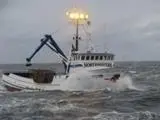
Sig and the five man crew of Northwestern operate out of Dutch Harbour and the Bering Sea; one of the toughest and deadliest fisheries in the world. Northwestern can be at sea for and with sixty foot waves, winds up to 150 knots and extreme icing that can reach over a foot thick, hard-wearing and reliable communications equipment is vital to ensuring the safety and welfare of the crew.
“We have had the same SAILOR VHF at the helm of Northwestern since 1987. I was thinking to myself, ‘how many times have I hit those buttons?’ And it’s still going strong. So SAILOR is obviously high quality stuff,” comments Sig. “I’m very happy to be a part of this, it was great timing and SAILOR really is the perfect fit for Northwestern. We’ll make sure we put the gear through its paces.”
The cooperation between Thrane & Thrane and Northwestern comprises the supply and installation of a complete SAILOR satcom, VHF and GMDSS communications package headed-up by the flagship SAILOR 500 FleetBroadband, which according to Sig will be used for both operational applications and the crew’s own personal use.
“I really enjoy the fact that SAILOR 500 FleetBroadband provides the capabilities to contact our loved ones. What could be more therapeutic than that? I have no problem with the guys using it. I tell them, ‘Hey, e-mail or call home’. Our work is stressful and tiring, so it’s like therapy for them, they can even use webcams when they talk to their family and loved ones,” explains Sig.
“It will also play an important role in our day to day operations, especially when it comes to the weather. With instant, detailed weather reports we can stay out that little bit longer, haul more pots and make our time at sea more profitable.”
The high bandwidth offered by SAILOR 500 FleetBroadband will also play an important role in medical emergencies and equipment problems. If a crewmember is injured onboard, it will be possible to send pictures of the injury back to doctors on land, who, with more information at hand will be able to advise on a course of action. Likewise, should there be an engine or equipment failure, pictures or video of the problem will help the supplier’s technical support to assist the Northwestern crew in addressing the problem.
Related Articles
 FISHERIES
 FISHERIES
 WORLD FISHING EVENTS