






Rising temperatures due to El Niño resulting in coral bleaching
Approximately 50% of all coral reefs have vanished since the start of the industrial revolution as reported by scientists from around the world, reports aquaculture and environmental scientist Dr Bill McGraw.
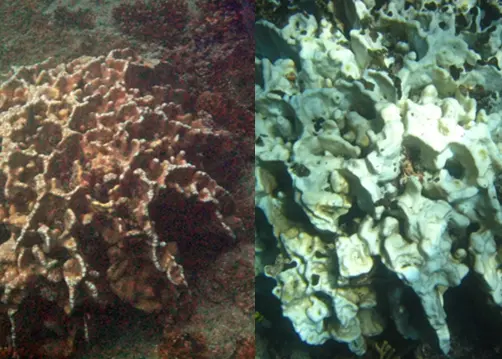
Some of reasons for this decline are deforestation/sedimentation of coastal areas, eutrophication, overharvesting of reef fishes and increased CO2 in the atmosphere resulting in ocean acidification. Figured most prominently in the news would be the ubiquitous topic of global warming.
However, corals are decimated to the greatest degree when exposed to increases in temperature due to El Niño. Currently at the largest barrier reef in the world located in northern Australia, 90% of all coral reefs are currently in decline.
Off the coast of Pacific Panama at the beautiful Seca Islands, Dr McGraw has documented the changes in corals due to the increase in temperatures associated with the current El Niño, which is turning out to be one of the most intense on record.
Many corals were killed as determined by the covering of algae over the calcium carbonate endoskeleton, while some others changed colour, acquiring new pigments or symbiotic algae in their tissues. This process of adaptation or acclimation to increasing temperatures has resulted in amazing new colors and smaller, new growth, replacing older corals that have not adapted, and whose calcium carbonate skeletons make up new structure for new coral reefs.
Related Articles
 FISHERIES
 FISHERIES
 WORLD FISHING EVENTS