




Rising ocean acidification leads to anxious fish
New research combining marine physiology, neuroscience, pharmacology, and behavioural psychology has revealed a surprising outcome from increased levels of carbon dioxide in the oceans – anxious fish.
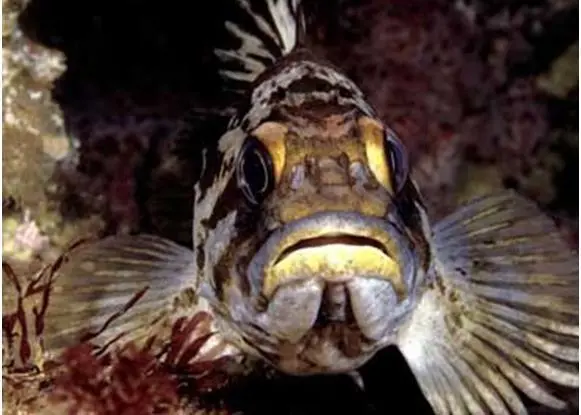
In a study published in the journal Proceedings of the Royal Society B (Biological Sciences), scientists at Scripps Institution of Oceanography at UC San Diego and MacEwan University in Edmonton, Canada, have shown for the first time that rising acidity levels increase anxiety in juvenile rockfish, an important commercial species in California.
“These results are novel and thought-provoking,” said Martín Tresguerres, a Scripps marine biologist and study coauthor, “because they reveal a potential negative effect of ocean acidification on fish behaviour that can possibly affect normal population dynamics and maybe even affect fisheries.”
Using a camera-based tracking software system, the researchers compared a control group of rockfish kept in normal seawater to another group in waters with elevated acidity levels matching those projected for the end of the century.
They measured each group’s preference to swim in light or dark areas of a testing tank, which is a known test for anxiety in fish. Experiments showed that fish administered with an anxiety-inducing drug (anxiogenic) prefered the darker area and seldom ventured into the light. Hence, dark-preference was indicative of increased anxiety in juvenile rockfish.
Rockfish exposed to acidified ocean conditions remained anxious even one week after being placed in seawater with normal carbon dioxide levels.
The researchers say the anxiety is traced to the fish’s sensory systems, and specifically “GABAA” (neural gamma-aminobutyric acid type A) receptors, which are also involved in human anxiety levels. Exposure to acidified water leads to changes in the concentrations of ions in the blood and a change in neuronal activity reflected in the altered behavioural responses in this study.
Ocean acidification is known to disrupt the growth of shells and skeletons of certain marine animals but other consequences such as behavioural impacts have been largely unknown until now.
Related Articles
 FISHERIES
 FISHERIES
 WORLD FISHING EVENTS