



Researchers tackle toxic algae
Researchers at the John Innes Centre in Norwich, UK, are working hard to develop a dipstick test to check for toxic algae – a move that could make huge improvements to fish farming around the world.
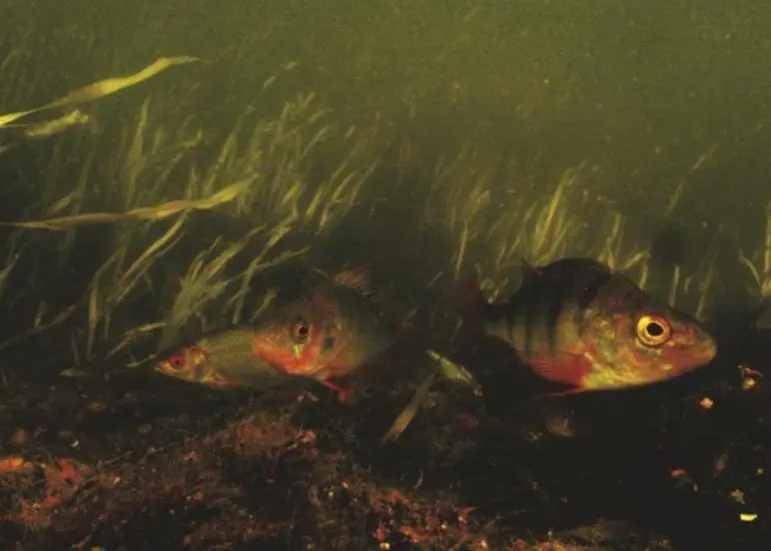
Prymnesium, or the Golden Alga, is known for killing hundreds of fish each year, affecting still water and brackish systems and in fish farms in temperate regions around the world.
In a bid to tackle the problem, the John Innes Centre researchers are developing what they say is a cost-effective and simple dipstick test, set to give environmental managers more regular opportunities to establish early indication of the problem, which is often invisible until the fish die.
Professor Rob Field, who is part of the research team, told World Fishing and Aquaculture: “New information on the structure and chemistry of the Prymnesium toxin has provided us with insight into how to develop novel and highly sensitive methods for toxin detection.”
“Early warning of a toxic episode would enable fish farmers to take pre-emptive action. Our hope is that simple field-use sensors will enable more routine monitoring, ultimately helping to develop a picture of which environmental stimuli give rise to toxic algal blooms so that they can be avoided or mitigated before impacting on fish stocks,” he added.
Prymnesium can produce toxins very quickly, meaning water can turn toxic just days or even hours after a sample is taken, but tests currently involve sending water samples to a laboratory with expensive specialist equipment.
“As with any toxin analysis, sensitivity and specificity are important. While we have classical lab-based analyses in place that make use of very expensive instrumentation, the challenge now is to translate these capabilities into a simple hand-held device – a dipstick format, perhaps – that requires no training to use and that gives a definitive result in a matter of minutes,” Professor Field explained.
The research project is being carried out by PhD student Ben Wagstaff who is studying the interactions between the toxin and antibodies to develop the dipstick test, as well as a related strand of research to understand what causes the algae to produce toxins.
Professor Field told WF&A the team hopes to develop prototype sensors for field trials in the coming 12-18 months.
Related Articles
 FISHERIES
 FISHERIES
 WORLD FISHING EVENTS