





Researchers help tackle mussel tube worm pest
In what is thought to be a global first for the sector, a team of aquaculture experts is exploring the development of a new rapid diagnostic method to support Scotland’s shellfish producers with the early identification of tube worms.
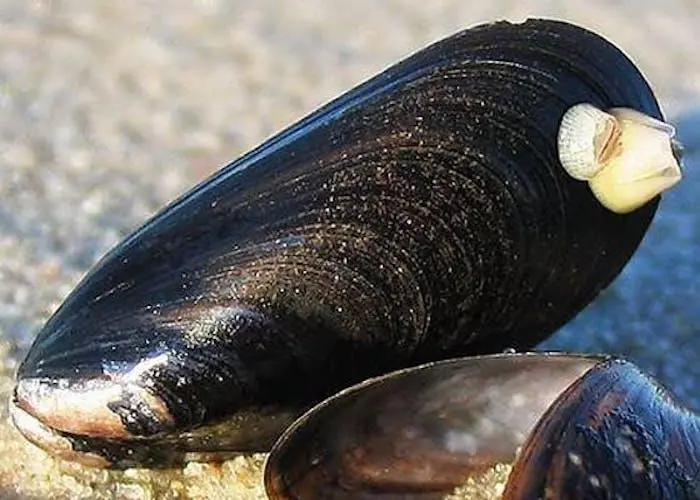
Led by the University of Stirling’s Institute of Aquaculture, with support from Shetland Mussels and the Sustainable Aquaculture Innovation Centre, the project uses DNA sampling to identify the presence of organisms in water, enabling producers to deal with biofouling which affects as much as 10% of Scotland’s mussels stocks each year.
Similar techniques are common in finfish sectors, but this project could represent a significant step forward for shellfish production. “Tube worms and associated biofouling is a long-standing concern for the shellfish industry, so it is important that we build an identification tool to support farmers to make informed decisions when they are detected in the water,” said Stefano Carboni from the University of Stirling’s Institute of Aquaculture.
Although harmless to consumers, tube worms can cause changes to mussels’ appearance and possibly affect production with some studies indicating problems with growth and weight caused by the worms. “Currently the only way to detect tube worms is by looking at a water sample under a microscope, but they can be easily confused with other organisms, and sampling only covers a small volume of water,” said Stefano Carboni.
Initial tests are taking place at one of Shetland Mussels’ sites. Data from the trial will be used to monitor seasonal variations that could inform cleaning schedules and potential site selection, as well as preventing future losses.
Related Articles
 AQUACULTURE
 SEAFOOD
 SEAFOOD