





Relying on shellfish – a risky business
Overfishing has reduced fish populations and biodiversity across much of the worlds oceans causing fisheries to become over reliant on shellfish – but the University of York says this approach is extremely risky.
Fishing effort increases over time. As a result, large predatory fish become depleted and fishers are forced to target new species.
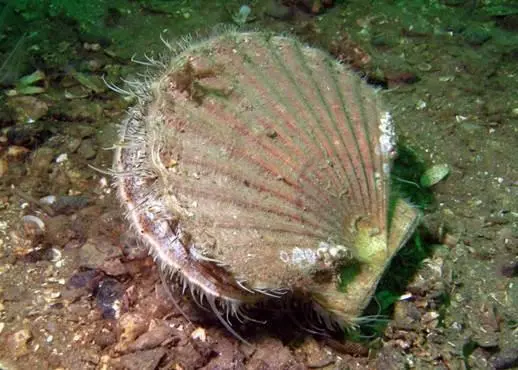
The research, recently published in the journal Fish and Fisheries, shows that traditional fisheries targeting large predators such as cod and haddock, have declined over the past hundred years. In their place, catches of shellfish such as prawns, scallops and lobsters have rocketed as they thrive in environments unnaturally low in predators.
The University says that in many places, including the UK, shellfish are now the most valuable marine resource – which is a highly risky business. Like simplified agricultural systems, these shellfisheries are unstable in the long-term and at great risk of collapse from disease, species invasions and climate change.
Lead author of the research, Leigh Howarth, said: “Prawns are now the most valuable fishery in the UK, with catches currently worth over £110m a year. But this fishery has come to exist only after we overexploited populations of cod, haddock and other predators. If shellfish now collapsed the social consequences for fishermen would be devastating. There are simply very few remaining species left to target.”
The University points out similar findings from all over the world. In the United States and Canada, catches of lobster, scallops and crab have come to dominate following the collapse of cod. However, disease and climate change again put these shellfish species at great future risk.
Related Articles
 FISHERIES
 FISHERIES
 WORLD FISHING EVENTS