


Record survival for juvenile cod
Food research institute Nofima says that the survival of juvenile cod is the result of systematic improvements in all aspects of management which it’s pioneering with its national cod breeding programme in Norway.
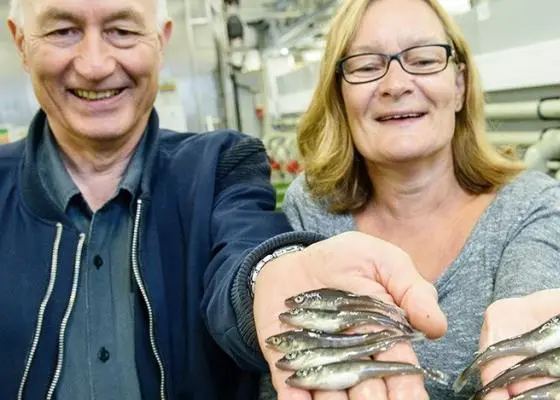
After following three generations of cod, Nofima said that everything came together with year’s production. When the cod was counted after it had passed through the critical phase of hatching, the facility had produced far more than expected.
Atle Mortensen, head of the cod breeding programme, said: “We had complete survival in some tanks, which far exceeds anything we have seen before.”
Even though the average survival for all 200 tanks was still only 33%, it’s a clear improvement from 1%, which was the value when production for the programme started in 2003.
Since the start of the programme, the facility has worked to improve survival rates on several fronts, including feed, feeding routines, water quality, quality sorting of eggs and many other factors.
“It’s like playing on a one-armed bandit. When all the factors are lined up at the same time, you hit the jackpot,” Mr Mortensen added.
Consequently, the new generation of juvenile cod has fewer deformities than before. In addition, they are a more even size, which means that cannibalism as a result of an uneven size distribution has been reduced. Losses in the sea are now around 15-20% for cod from the breeding programme, and this is also lower than previously.
Work to maximise survival in the cod breeding programme will continue.
Norway may already be seeing a tentative restart of cod aquaculture though. Kenneth Brandal at Statt torsk AS purchases fish from the cod breeding programme. He said: “Now we have sufficient knowledge to ensure that cod aquaculture can stand on its own two feet. If we can sell this cod in two years from now, this will be something to be proud of.”
The facility is now in possession of surplus juveniles which it’s offering out for purchase.
Related Articles
 FISHERIES
 FISHERIES
 WORLD FISHING EVENTS