



With the exception of a handful of experimental licences that will be allowed to continue, pulse fishing will come to an end in 2021.
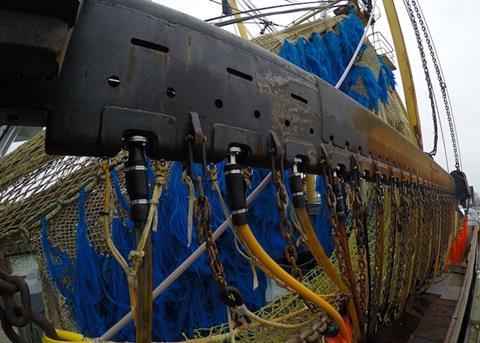
In a trilogue meeting in Strasbourg, the European Parliament, European Council and European Commission stopped short of an immediate outright ban on pulse fishing, instead stipulating that 42 licences are to be withdrawn this year and a further 42 in 2021, while six experimental licences can remain.
The decision has been taken more than a year after the European Parliament voted overwhelmingly in favour of an end to pulse fishing, following a publicity campaign by NGOs that fishermen’s federations have condemned as having propagated falsehoods about this fishing method.
The reaction has been one of fury and disappointment from the Dutch industry, which has spearheaded this method of fishing over a long period of development and investment.
“It can be compared to taking the solar panels off the roof and burning coal instead,” a spokesman for the Dutch federations commented, stating that this end to pulse fishing is a triumph of emotion over science.
“Pulse gear delivers what civil society has been demanding – lower by-catch, lower fuel consumption and reduced seabed disturbance. These aims remain high on the agenda, but we have to stop using pulse gear. A ban on pulse fishing makes no sense.”
According to fishermen’s federations VisNed, Nederlandse Vissersbond and EMK, pulse fishing reduces fuel consumption by 46% and the pulse fleet is the only fishing sector that has met the target of reducing emissions by 50%
Pulse fishing has been highly controversial, and its growth has been strongly opposed by fishermen’s organisations in the UK and France, which have claimed that the activities of the Dutch pulse fleet have left their fishing grounds barren.
The Dutch fleet of pulse beamers has also grown to currently more than eighty licences, with this expansion following the crisis in the Dutch demersal fishery some years ago when spiralling fuel prices and static fish prices had combined to threaten the continued existence of the beam trawl fleet.
“It has been scientifically proved that we cut fuel by 46%, we fish more selectively, and the lighter gear means less seabed disturbance. And yet an emotional lobby is able to pull the rug from under this innovation, which we see as incomprehensible,” a spokesman for the Dutch federations said, commenting that this is a failure of European decision-making.
Dutch Minister for Agriculture, Nature and Food Quality Carola Schouten has pledged to support the fishing sector and to push for a transition period and financial support for further innovation.
“Transition is just a sticking plaster. And we don’t need to be thinking about innovation now that we have seen the work we have done on this, supported by scientific research, thrown in the trash on the basis of an emotive campaign,” the federations state.