





Protecting sharks and rays
Conservationists have welcomed news that 50 countries have joined efforts to list devil rays, threshers, and silky sharks under Appendix II the Convention on International Trade in Endangered Species (CITES).
CITES Appendix II listing prompts controls for holding international trade to sustainable levels. Cosponsors to the proposals – made originally by Fiji, Sri Lanka, and Maldives (respectively) – now include the European Union and its 28 Member States, Bangladesh, Brazil, Egypt, United Arab Emirates, and eight West African nations.
Sonja Fordham, President of Shark Advocates International, said: “The addition of co-sponsoring countries from across the globe demonstrates widespread support for new measures to prevent international trade from driving depletion.”
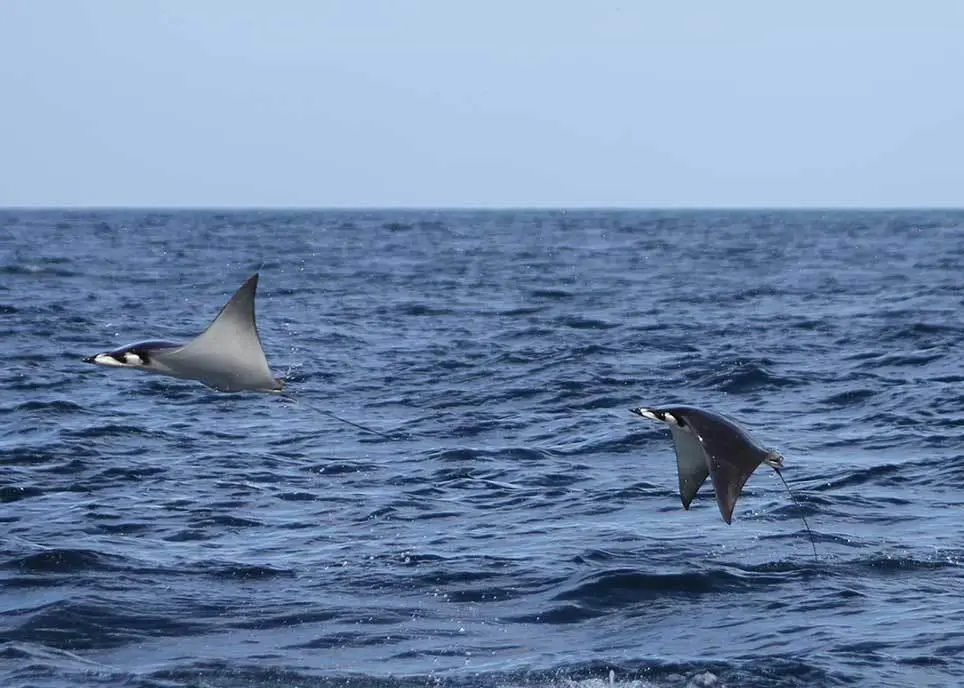
Devil rays, along with closely related mantas, are among the oceans’ most vulnerable animals, usually producing just one pup every one to three years. International demand for their gill plates, used in a Chinese health tonic, drives largely unregulated fisheries.
Thresher sharks are characterised by long, scythe-like tails that account for half their body length. Their meat and fins are both valuable and traded internationally. Exceptionally small litters of just two to four pups greatly hinder thresher sharks’ ability to withstand heavy fishing pressure.
Silky sharks are at risk from substantial incidental take in tropical, high-seas fisheries, which is exacerbated by strong Asian demand for their fins. Largely unmanaged fishing pressure, combined with low productivity and inadequate limits, has led to serious population depletion in several regions.
Parties will vote on the proposals at the September Conference of Parties in Johannesburg.
Related Articles
 FISHERIES
 FISHERIES
 WORLD FISHING EVENTS