



With Canada’s 2025/26 Northern cod quota more than doubling from 18,000 to 38,000 tonnes, industry is preparing for a significant rise in processing demands, with Denmark-headquartered processing solutions provider Carsoe Seafood ApS, recognising that this presents both a challenge and an opportunity for vessel operators, specifically in how they efficiently handle, process and preserve larger volumes of cod at sea without compromising quality or profitability.
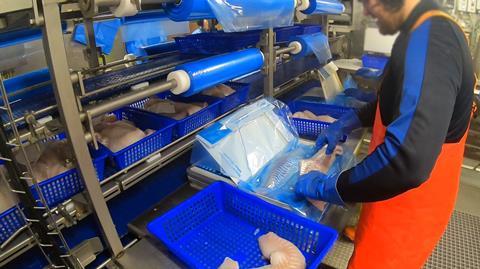
With modern onboard processing systems available in both turnkey and modular formats, operators can tailor investments to their specific operational needs, Carsoe explained.
For newbuilds, comprehensive factory setups can be integrated from the outset, while for existing vessels, targeted upgrades – such as replacing a gutting station or adding a freezing unit – can significantly improve throughput without requiring a full retrofit, it advised.
Canadian Area Sales Manager for Carsoe, Camille Gagné, said: “I have talked to several people the industry over the past weeks, and the conversations often revolve around how to adapt their current factory solutions to process cod efficiently. In many cases a rebuild of the existing line is the best option, as they can utilize some of the existing factory equipment to upgrade the factory,”
Gagné added that this phased approach to modernisation helps operators manage costs while still achieving measurable gains in efficiency and product quality.
According to Carsoe, efficient cod processing at sea depends on a well-coordinated workflow, with today’s whitefish lines designed to streamline operations from the moment fish are brought onboard to their final placement in cold storage.
“When catching large amounts of cod, the processing speed is important to preserve the freshness of the catch and ensure a high profit of the catch. It takes a well-designed and reliable factory solution from gutting and filleting to freezing that supports high yield, speed, and quality,” Gagné said.
Carsoe confirmed that key onboard processing components typically include:
- Automated gutting machines to reduce manual labour and ensure consistent processing
- Grading and packing systems to support accurate sorting and efficient handling
- Freezing technologies that preserve product quality and extend shelf-life
- Palletising systems to organise and secure processed fish for storage and transport
“It’s an old industry with old manners of doing things, but it is an exciting time for the Canadian fishing industry to step forward as the markets get more competitive and where every saved penny count,” Gagné said.