



Private sector outlines plan to protect Coral Triangle
Seafood, travel and tourism operators in the Coral Triangle have made a joint declaration reduce the impact of their businesses on the world’s most important marine region.
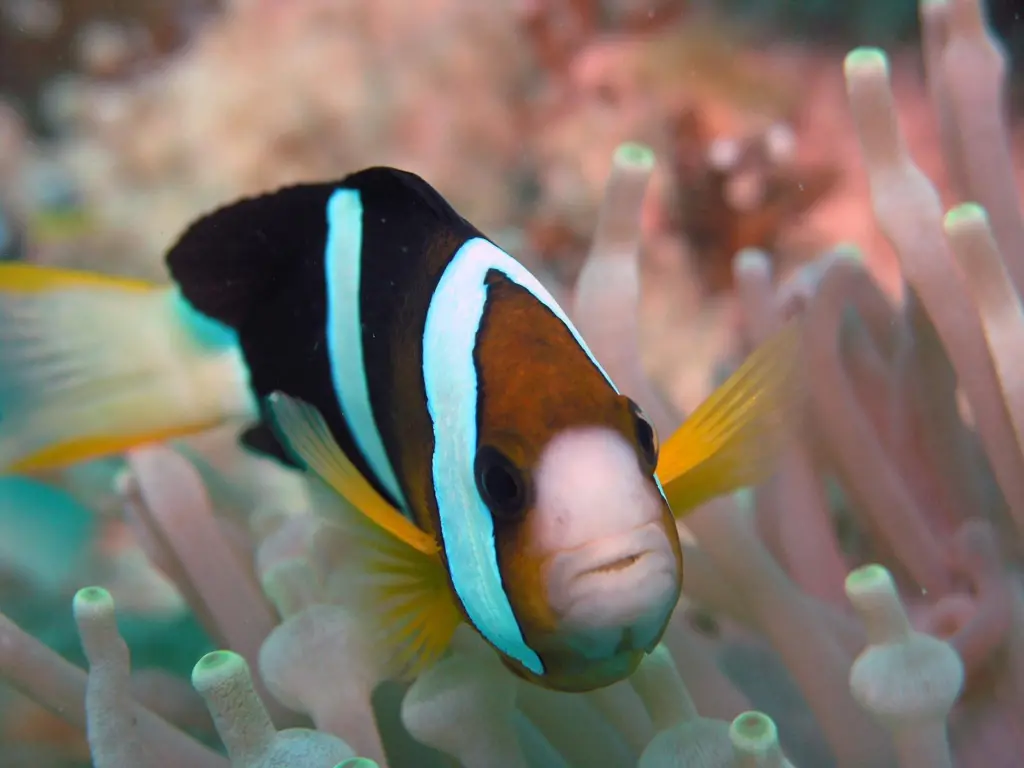
More than 160 delegates gathered last week in the Philippine capital Manila for the Coral Triangle Business Summit to reach agreements on how their industries could contribute to the protection of the Coral Triangle and the 120 million livelihoods that depend on its marine resources.
Participants included leaders from tuna and live reef fish businesses, airlines and resort owners, as well as government ministers and officials, and non-government organisations.
In the seafood sector, fishing operators and buyers agreed to address the problem of overcapacity and overfishing through a number of measures including ensuring that fish are not sourced from illegal operations as well as implementing catch and trade documentation schemes to ensure traceability.
Participants also agreed to promote low carbon fish production methods and trade practices.
Head of WWF’s Coral Triangle Program Dr Lida Pet Soede said the summit had been a huge success and had laid some strong foundations for greater participation of the private sector in the protection of the Coral Triangle.
“This first ever Coral Triangle Business Summit has been a great success and the private sector has shown it is willing to take greater responsibility for the millions of livelihoods that depend on the health of the marine environment in this part of the world,” Dr Pet Soede said.
Related Articles
 FISHERIES
 FISHERIES
 WORLD FISHING EVENTS